

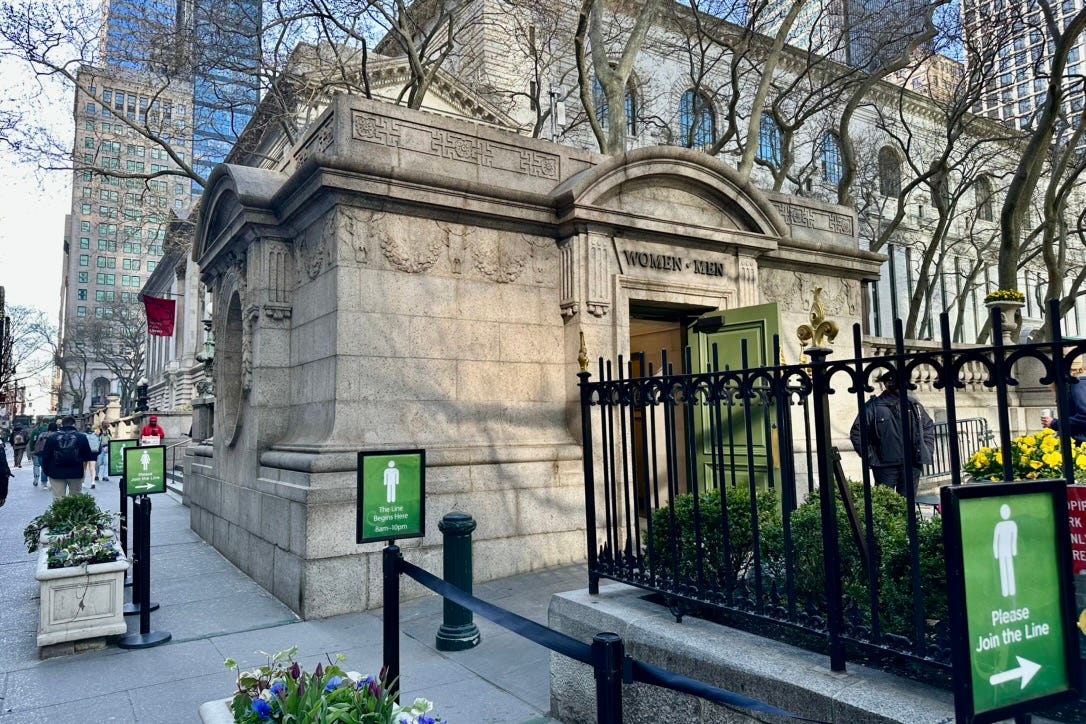
When Mayor Zohran Mamdani moved into Gracie Mansion this week, he talked about installing bidets, then headed to Harlem to announce a $4 million call for proposals for modular public bathrooms that would cost a fraction of the million-plus the city currently spends to open one.
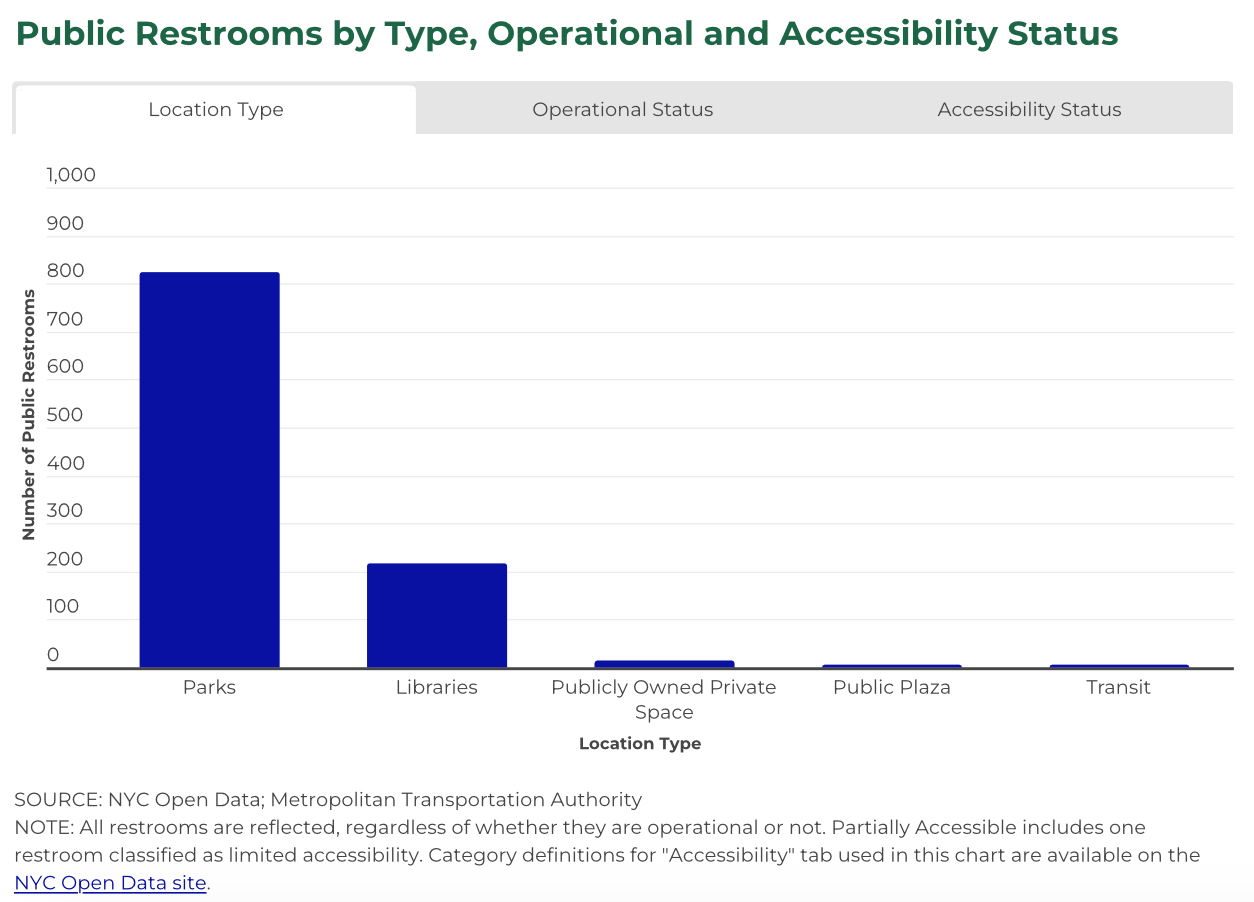
New York City currently has about 1,000 public bathrooms for its 8.5 million residents and tens of millions of visitors a year, the lowest per-capita rate of any major U.S. city. Most are located in parks and are typically open only between 8 a.m. and 4 p.m., leaving much of the city without reliable access for most of the day. Just eight are open 24 hours a day.
“In the biggest city in the country, access to public bathrooms is basic infrastructure, not a luxury,” said City Council Speaker Julie Menin. “When New Yorkers can’t find a restroom, it affects how they use our streets, parks, and public spaces, and ultimately whether they feel welcome in their own city.”
The consequences are visible every day and the absence of bathrooms is not merely a quality-of-life failure but a public-health one. A 1990 class-action lawsuit brought by four homeless individuals against the city and state called the situation a public nuisance.
City leaders have tried, and largely failed, to improve the situation. Last year, the city council passed a bill requiring the city to double the number of public bathrooms by 2035, and the city piloted Portland Loos, the self-contained steel toilets used in cities elsewhere.
Cost remains the biggest obstacle due to the need to connect to water and sewer lines, and the city’s extensive underground infrastructure. The five Portland Loos still cost the city about $1 million each—cheaper than traditional restrooms, which can run over $3.5 million apiece, but, as MI’s Nicole Gelinas noted in 2023, even $1 million per toilet is hard to justify when the units themselves cost roughly $200,000.
A few years back, the Urban Design Forum surveyed the bathroom situation and proposed practical fixes. In a 2020 report, the group urged the city to follow Washington, D.C.’s Public Restroom Facilities Installation and Promotion Act, which mandated two proven models: durable stand-alone public restrooms and a “community toilet” program, modeled on London’s, that pays private businesses to open their bathrooms to the public.
Public bathrooms are an issue that has defeated administration after administration. But if Mayor Adams could containerize garbage, perhaps Mayor Mamdani can finally deliver public restrooms.
Local Politics
Governor Kathy Hochul’s State of the State.
City facing a bigger budget deficit, says comptroller. (THE CITY)
Budgets: Mamdani’s inaugural budget “will reveal far more about the untested 34-year-old’s governing style than any platform or speech: whether he is a rhetorician or a negotiator, a radical or an incrementalist, an ideologue or a leader,” Nicole Gelinas writes in City Journal. The preliminary budget draft is due by February 17th.
A Sober Look
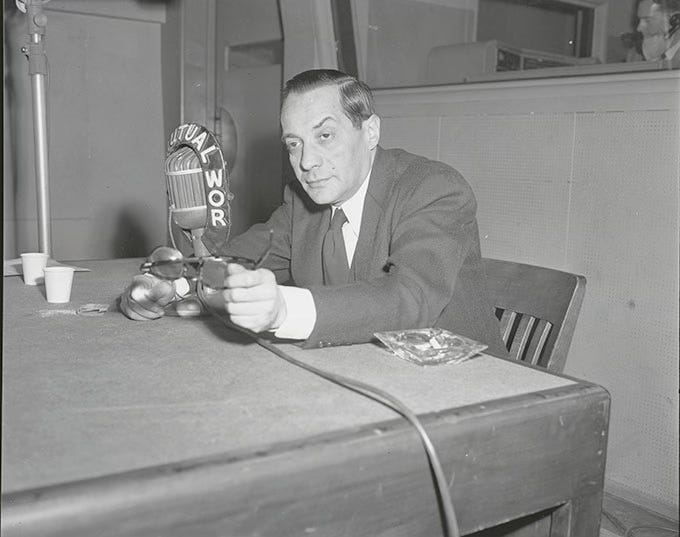
Joseph Burns looks back at New York City’s first flirtation with socialism, tracing how Vito Marcantonio and the American Labor Party used fusion voting and labor alliances to build a significant socialist foothold in New York politics through the 1930s and 1940s. That movement was only constrained by legal and political backlash at the start of the Cold War.
Burns points out that today’s Working Families Party wields a far greater and more secure influence than the ALP ever did, and that with little appetite among political elites to curb it, the far Left is likely to remain a force in New York for years to come.
Kathy Wylde on Her Career and New York City
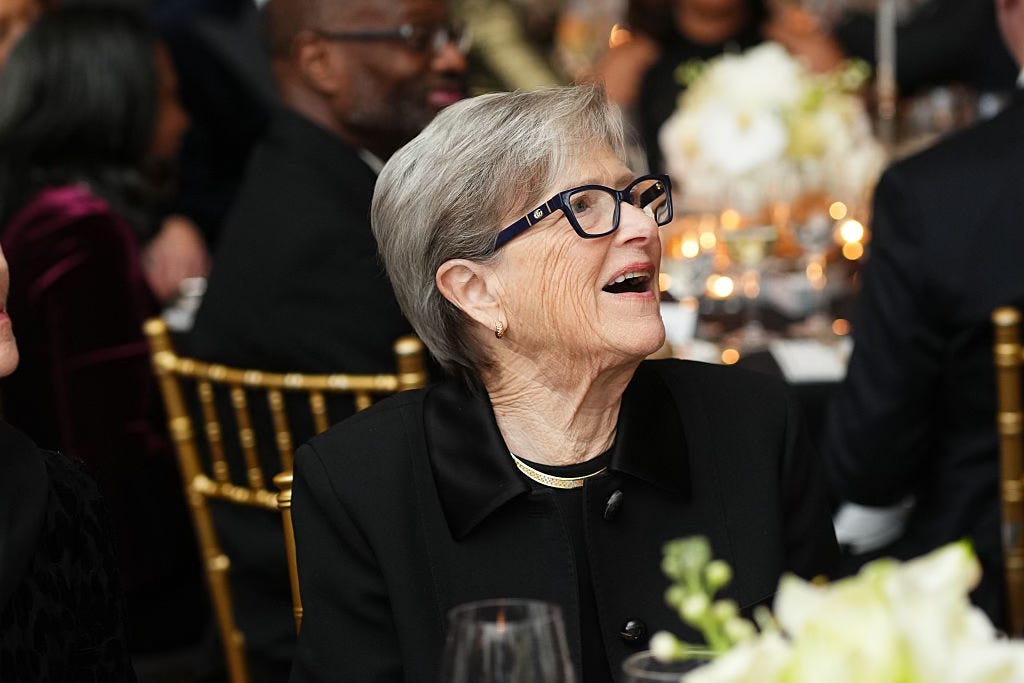
Kathy Wylde retires today as president and CEO of the Partnership for New York City.
For four decades, she has been one of the most influential figures shaping the relationship between business and government in New York. Known for her blunt style and deep network, Wylde played a central role in efforts to expand housing, secure public-transit funding, and grow the city’s tech and life sciences sectors.
In a wide-ranging exit interview with Crain’s, Wylde reminds us that sustainable growth depends on keeping large employers and high-income residents in the city to help fund public services, but not only:
“We have to figure out how we’re going to encourage companies, large and small, to grow here. Half the jobs in New York are at companies with more than 500 employees. So this whole thing about small business is the engine of economic growth — well, small business survives because we have big corporations here whose employees are patronizing small business.”
The city’s biggest challenges, she told City&State last summer, will be federal funding cuts and policies coming out of Washington that could really hurt the city. But, “[so] long as New York City attracts the world’s best, most productive talent, we will be fine,” she told The Times.
Her successor, Steven Fulop, the former Mayor of Jersey City, starts next week.
The Many Reasons New Yorkers’ Groceries Cost So Much

While there’s been much talk of just about everything else, the mayor has yet to focus on his campaign promise of making groceries cheaper.
New York’s high grocery costs stem largely from residents’ reliance on small neighborhood stores that cannot match the buying power or pricing of large supermarket chains.
So, the solution, Fordham University professor Zephyr Teachout argued in The New York Times last summer, is to ban price discrimination, enforce anti-gouging laws, invest in food hubs, and pilot city-run stores to restore fairness. Last November, Assemblymember Micah Lasher introduced the Consumer Grocery Pricing Fairness Act to tackle some of the above.
But that is unlikely to solve the problem.
Stephen Smith has an excellent story in Vital City this week that reminded me of what MI’s Eric Kober wrote in an issue brief back in December (page 5) and Nicole Gelinas’ piece on how the grocery business works.
Lower grocery prices would more realistically come from encouraging large, low-cost supermarkets to expand in the city by reforming zoning rules and political barriers.
Longstanding restrictions on store size in manufacturing zones, parking requirements, and reliance on discretionary approvals sharply limit where such supermarkets can locate, even under programs like FRESH.
Another obstacle is City Council “member deference,” Kober writes, which can require costly concessions, often including union-related demands.
However, so far Mamdani’s appointments and promises seem to be more aligned with Teachout’s perspective.
Education
Meet NYC schools Chancellor Kamar Samuels. Samuels’ reputation suggests that Mamdani wants stability and buy-in from educators and parents as he pursues his progressive goals. (Chalkbeat)
The Mississippi Miracle is real, the NYT confirms in How Mississippi Transformed Its Schools From Worst to Best. This quote from the story says it all:
“Yet Mississippi has figured out something almost no other state has, and it has involved far more than just changing the way reading is taught, the most common explanation for its success.
Even as schools elsewhere have focused on issues like school funding, social justice and mental health in recent years, Mississippi schools like Hazlehurst have made academics their North Star.
“At the end of the day, our job is teaching. Their job is learning,” said Ms. Langston, who added that no matter what is going on in a child’s life, the classroom is the one thing she can control. “If we don’t meet that need, we have failed them.”
Extra! Extra!
Despite sharp overall declines in New York City crime in 2025—including historic lows in shootings—juvenile involvement in gun violence rose to record levels, with minors accounting for a growing share of both shooting victims and perpetrators since the implementation of Raise the Age, MI’s Rafael Mangual writes in the New York Post. Crime among teens is rising statewide, prompting district attorneys from around the state to renew calls for changes to the Raise the Age law.
How to read NYC crime stats like a pro (THE CITY).
I shared some concerns in The New York Post about how subsidizing childcare “at home for families who prefer a trusted neighbor or relative to take care of their child,” as Mamdani promised last year in a campaign video, at scale, could run into issues similar to CDPAP, the program that similarly pays to take care of elderly and disabled individuals that the state is still trying to rein in.
Universal Mental Health Screening has spread widely in public schools, but evidence shows it neither improves students’ mental health nor their academic performance. Rather, it generates high rates of false positives with fewer safeguards than in clinical settings, leading MI’s Carolyn Gorman to argue that universal screening should be banned and that any targeted screening should be tightly regulated. Read the Issue Brief.
Are students ‘Quiet Quitting’? (EdWeek)
And lastly:

In what sense are the "homeless" considered "New Yorkers"? The answer to that question answers many others.