

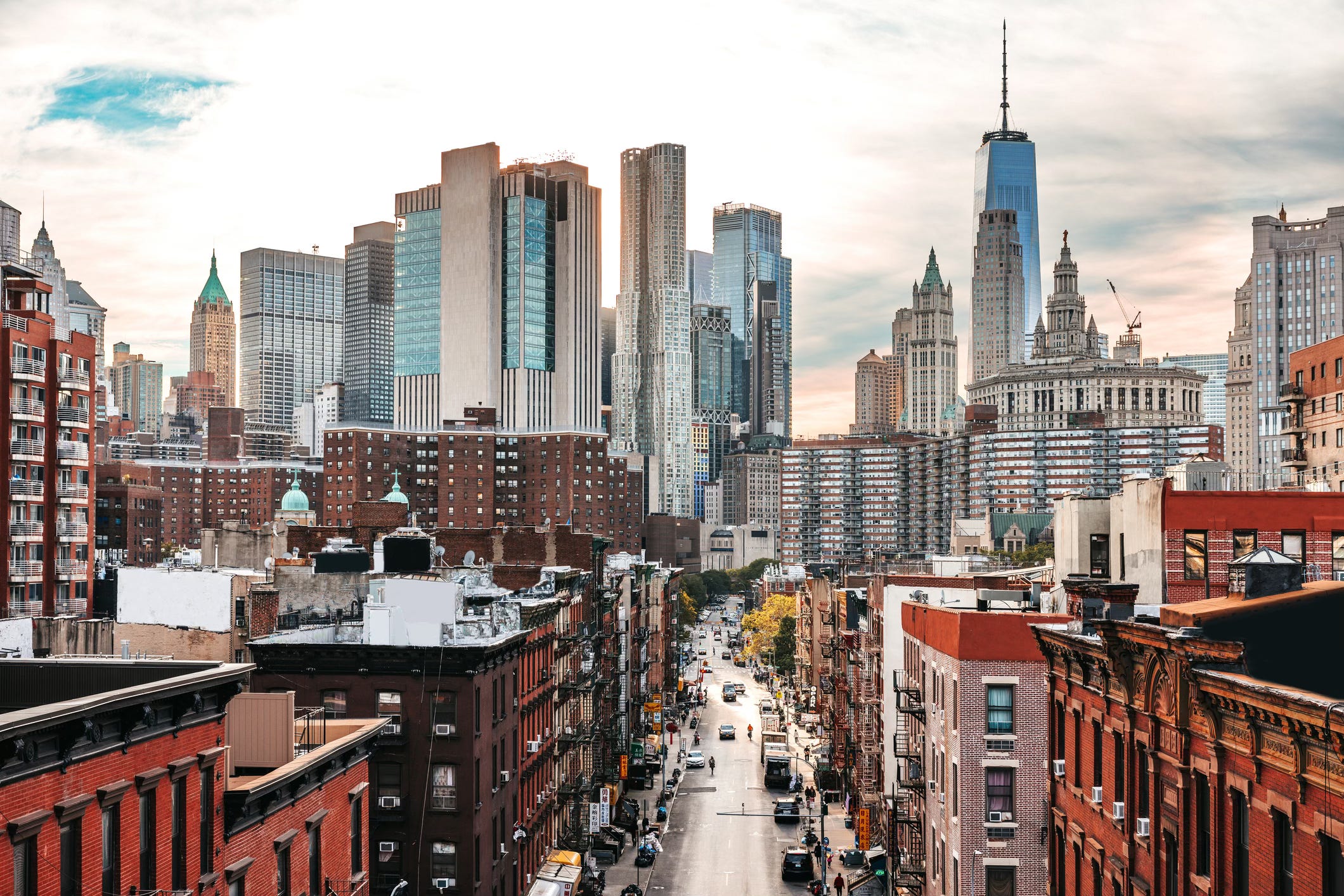
At MI’s The Fiscal Crisis at 50: Lessons for a New Era of City Government event with Stephen Berger and E.J. McMahon the other week, the most important exchange was also the shortest.
Nicole Gelinas asked Berger:
“Can the mayor make New York City more affordable?”
“No.”
The incoming First Deputy Mayor Dean Fuleihan responded that “We’re going to have to prove Steve wrong on affordability,” the winning campaign promise of Mayor-elect Zohran Mamdani.
But affordability is not only a municipal variable. New York’s cost structure is determined by forces largely outside the city’s control and hard to reform—state housing law, federal health and social service programs, long-standing labor contracts, a service-delivery model that is expensive to operate, and a demand-heavy housing market with constrained supply. Meaningfully improving these fundamentals requires state legislation, federal reforms, or long timelines measured in decades, not mayoral terms.
New York’s habit is to spend itself out of its problems. That was the mindset that produced the 1975 crisis: using long-term capital funds for operating costs, rolling over short-term notes based on projected revenue that never materialized, expanding services faster than the tax base, and assuming the city was too important to fail.
Berger and McMahon warned that despite the guardrails instituted following the crisis, the underlying thinking has not disappeared. The political system still defaults to adding programs and recurring obligations without solving the cost side.
Fuleihan acknowledged that the fiscal architecture created after the 1970s crisis—GAAP budgeting, four-year financial plans, quarterly updates—forces the city to acknowledge its costs in real time, and provides strict guardrails, which he welcomed as “making my life easier.”
Berger put it in simpler terms: “We can screw it up inside the picture frame, but there is a picture frame which will ultimately protect us fiscally.” But that framework doesn’t solve affordability.
A mayor cannot meaningfully lower the overall cost of living in New York City. What a mayor can do is manage the city well and avoid repeating past mistakes, including thinking that the way out of the city’s problems is to spend ever more.
Transition Tracker
There have been no announcements of new appointments to the Mamdani administration. So far, we only know that Dean Fuleihan will be his first deputy mayor, Elle Bisgaard-Church will be chief of staff, and Jessica Tisch will remain as police commissioner.
Although Mamdani’s campaign was powered by small donations, larger contributions are supporting the transition process.
In the broader political landscape, the progressive City Comptroller Brad Lander formally announced he’s challenging the more moderate Rep. Dan Goldman for his seat in a district that spans Manhattan and Brooklyn and went overwhelmingly for Mamdani. Lander and Mamdani cross-endorsed in the primary, and Mamdani has already endorsed Lander for Congress. (NYT has that and more. Gift link.)
Real Estate
Proposed regulations: Ahead of next week’s final meeting, the City Council advanced a narrower Community Opportunity to Purchase Act, and moved forward a package of housing bills that would require deeper affordability and more family-sized units in city-funded projects. This would raise the housing agency’s projected budget needs by about $1.3 billion. They also advanced the union-backed and veto-proof Construction Justice Act, setting a $40 per hour minimum wage plus benefits on city-funded housing construction, substantially increasing labor costs. (The Real Deal has more.)
From Charters to Yeshivas: A Practical Education Agenda for Mayor Mamdani
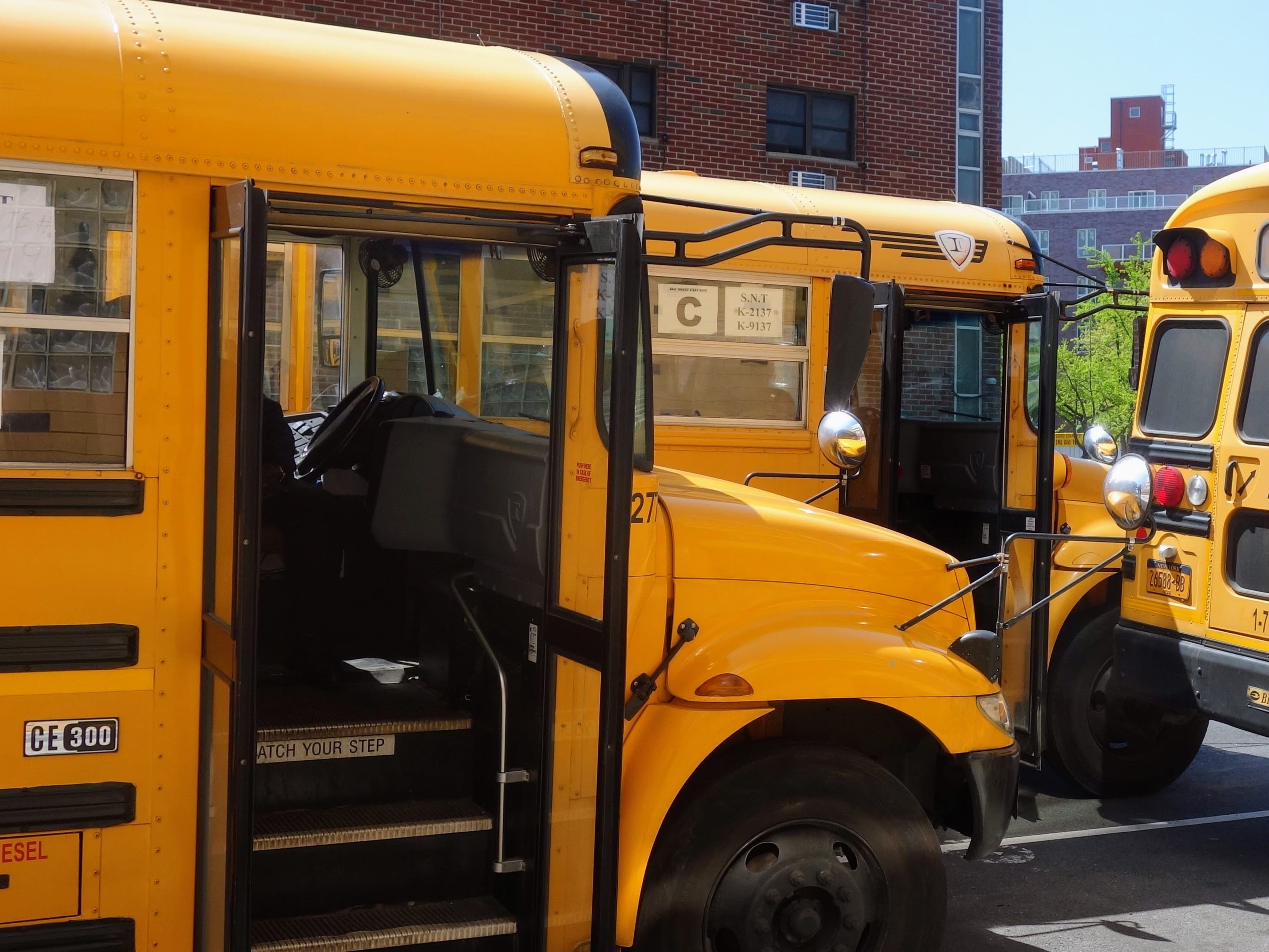
Mamdani arrived at City Hall as the new face of Democratic Socialism, but his future will depend less on ideology than on whether New York stays a place where parents want to raise their kids.
His biggest test is schools: if he embraces abundance rather than “leveling down,” protects the lifeline charter schools provide, and shows real support for the city’s diverse private and religious school families, he can keep the middle class from fleeing and start rebuilding trust. MI’s Ray Domanico explains.
Tent City, Here We Come
Last week, Mamdani announced that, once in office, he will end sweeps of homeless encampments in New York City — a sharp break from the policies of current and past mayors, including the progressive Mayor Bill de Blasio.
This decision clashes with what most New Yorkers want — A 2021 Manhattan Institute poll found that three-quarters of New Yorkers support allowing police to clear encampments if shelter and services are offered.
“The client of a homeless shelter is the homeless person. The primary client of a homeless-encampment cleanup is the public,” writes MI’s Stephen Eide. “Sweeps can offer a secondary benefit by helping outreach workers persuade rough sleepers to enter shelter (guaranteed as a right in New York City). But their main justification is simpler: normal cities do not allow tent dwellers to colonize sidewalks, parks, and other public spaces.”
A Constructive Land-Use, Housing, and Economic Development Agenda for Mayor Mamdani
Rent is at record highs, vacancies are at historic lows, and businesses are increasingly looking to expand elsewhere. Mamdani should use his new zoning powers to turn things around.
In a new brief, MI’s Eric Kober calls for bold moves: build more housing near transit, convert underused industrial areas into mixed-use developments, and scrap outdated parking requirements.
Bring back year-round street dining, make it easier and cheaper to start small businesses, and remove rules that stop large supermarkets from opening in the city, which could help lower food costs, he recommends.
Add to that faster environmental reviews and clearer rules for redeveloping old rent-regulated buildings, while still protecting tenants, and these targeted fixes could meaningfully increase housing supply, ease rents, and support long-term economic growth even in a heavily regulated city, he writes.
Extra! Extra!

The average price of a NYC Christmas tree is $119, Gothamist reports.
Instacart is suing New York City to block a new law that would extend the city’s minimum pay standard for app-based delivery workers to its grocery couriers. Court documents reveal the company runs a heavily car-dependent delivery operation and that only about 10% of Instacart orders are small enough for two-wheeled vehicles. The company is arguing that these largely car-based, sometimes multi-state trips make its workers “motor carriers” beyond the city’s power to regulate. (Streetsblog)
After NYC implemented congestion pricing, Chicago became America’s worst city for traffic. A new report from transportation analytics company Inrix shows congestion increased in 254 of the 290 cities analyzed, while in New York, congestion remained flat. (Fast Company)
New York City launched its Blue Highways pilot, using waterways as freight corridors. Pier 79 in Manhattan receives small commercial goods by boat from Red Hook, which will then be transferred from NY Waterway ferries to DutchX electric cargo bikes for local delivery, reducing truck traffic and pollution. (NYC DOT)
State of the New York City Economy 2025: “Quite resilient,” according to the New York City Economic Development Corporation. Gothamist sums it up.
NYS Comptroller Thomas DiNapoli released a report on Obstacles to Independence: Financial Challenges Facing Young Millennials and Gen Z.

Actually, a NYC mayor can make the city more affordable, indeed. With an asymmetric strategy: hike select taxes while slashing others, slash red tape, lift zoning restrictions, and build housing, commercial, and public(!) à la Vienna🇦🇹 like crazy on every unused lot, concrete jungle, who cares. Push for state law reforms on taxes and housing, pressure Albany relentlessly - he knows how, overhaul city management top-to-bottom, and cut costs even despite imminent union pushback. If only there were political will…