

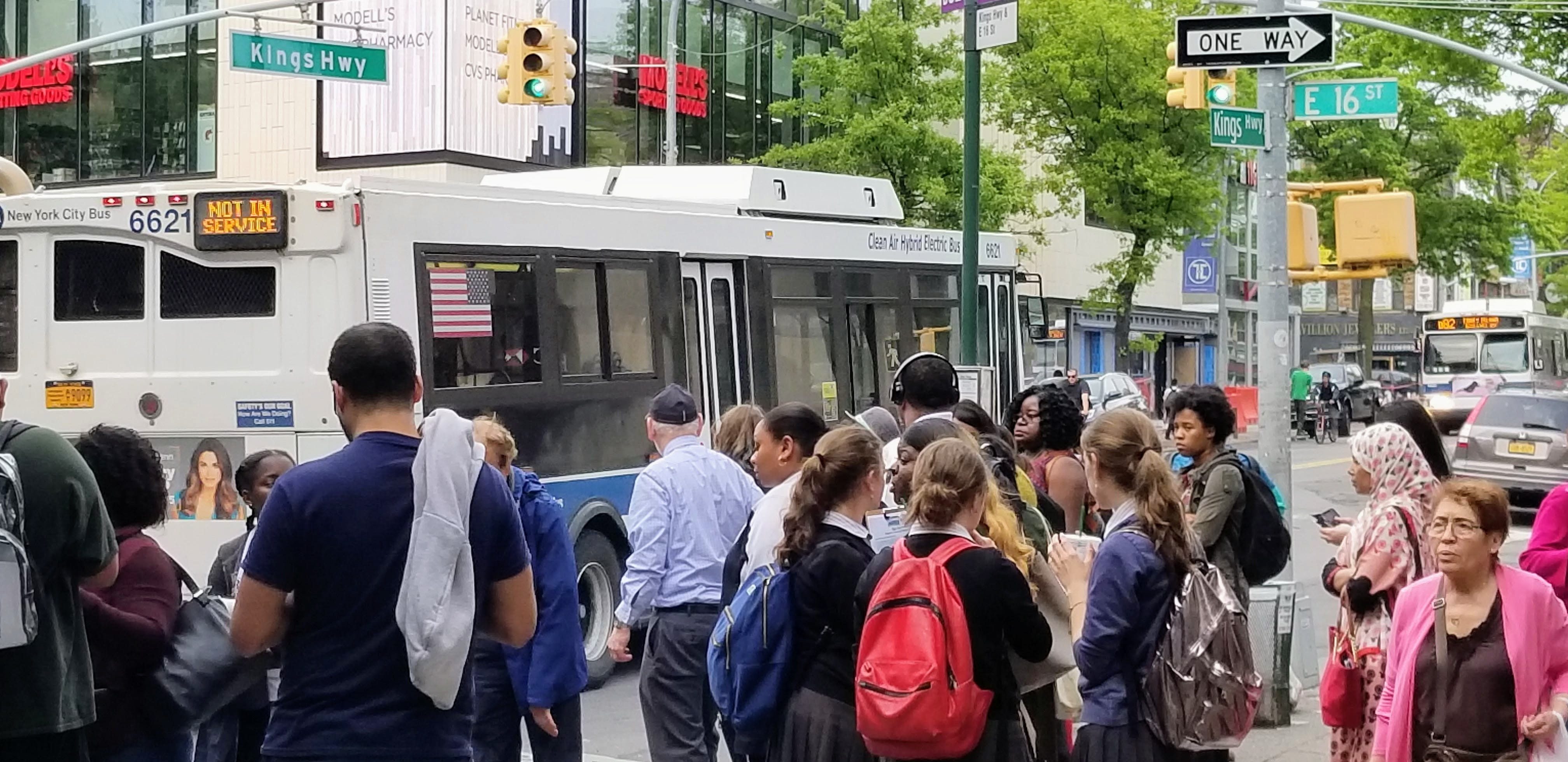
Once Zohran Mamdani takes over as mayor of New York City on January 1, he will need to show visible improvements fast, but progress on affordability pledges will be slow. His key campaign promises—like universal childcare, rent freezes, and even making all buses free—are complicated, and require Albany’s approval or time-consuming implementation. These won’t take effect for months or even years.
Instead, he should aim to improve the streets, the area he actually controls through the Department of Transportation (DOT).
Fast Over Free
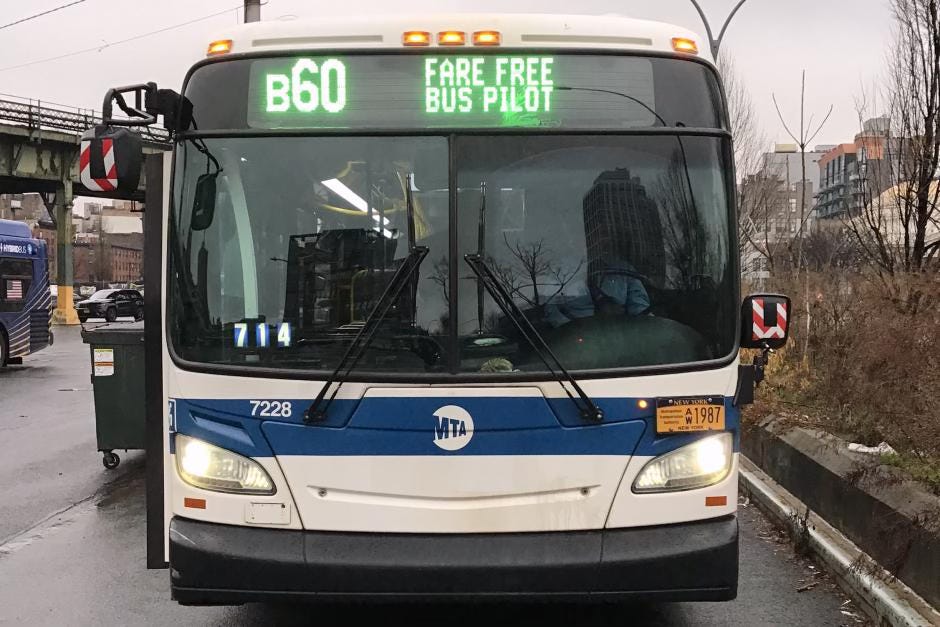
Mamdani has promised to make buses free and fast. He should focus on fast.
When it comes to buses, what people really want is fast and reliable service rather than free rides. New York’s buses are among the slowest in the nation, robbing working people of precious time. The responsibility for improving this falls directly on the Mayor’s office and the city’s DOT, not the MTA.
Buses fail to arrive at their scheduled time nearly a third of the time. The city is also failing to meet the legally mandated requirements of its Streets Plan, to deliver 50 miles of protected bike lanes and 30 miles of dedicated bus lanes each year.
Solutions like dedicated bus lanes, enforcement, signal timing, and all-door boarding would lead to significantly faster commutes and give the recent bus network redesign a chance. The Better Buses Action Plan already exists; it needs political will to implement.
A city-controlled affordability fix: Rather than working to make buses free for all, the administration should fix and expand the Fair Fares program for low-income New Yorkers, which currently has a low enrollment rate. This offers a significant affordability win without needing to navigate the state-controlled MTA budget or the loss of fare revenue to the MTA.
Elevate the Pedestrian Experience
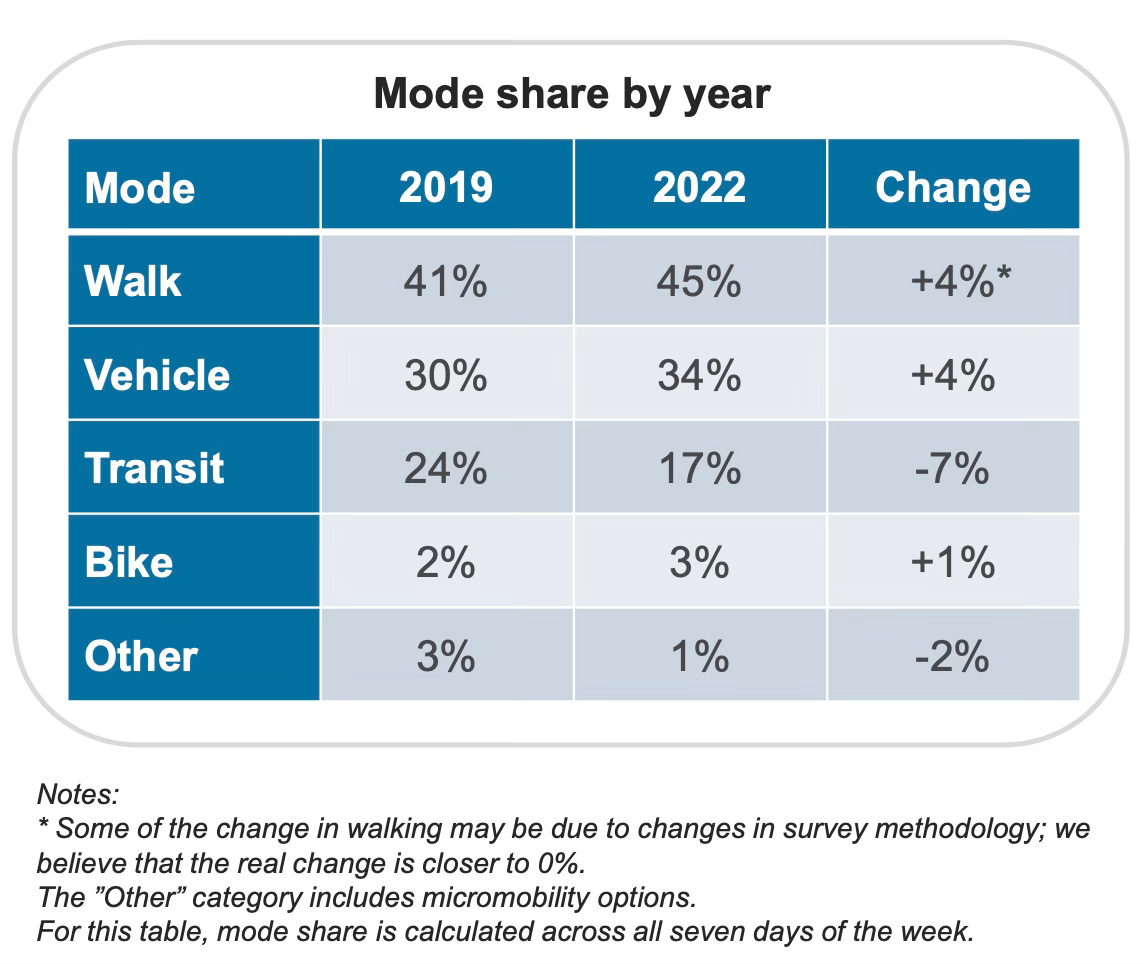
By far the most common means of transportation in the city is walking, and improving that experience could offer the biggest impact on the quality of people’s daily lives.
This involves prioritizing safety and access by implementing better street lighting and ensuring crosswalks and sidewalks are safer and better maintained. It also means improving amenities by adding more trees, benches, and bus shelters (with seating) to boost mobility and comfort for all, especially the elderly and children. Mamdani won’t have to start from scratch — the city already has a Pedestrian Mobility Plan.
Optimize Space, Don’t Villainize Drivers
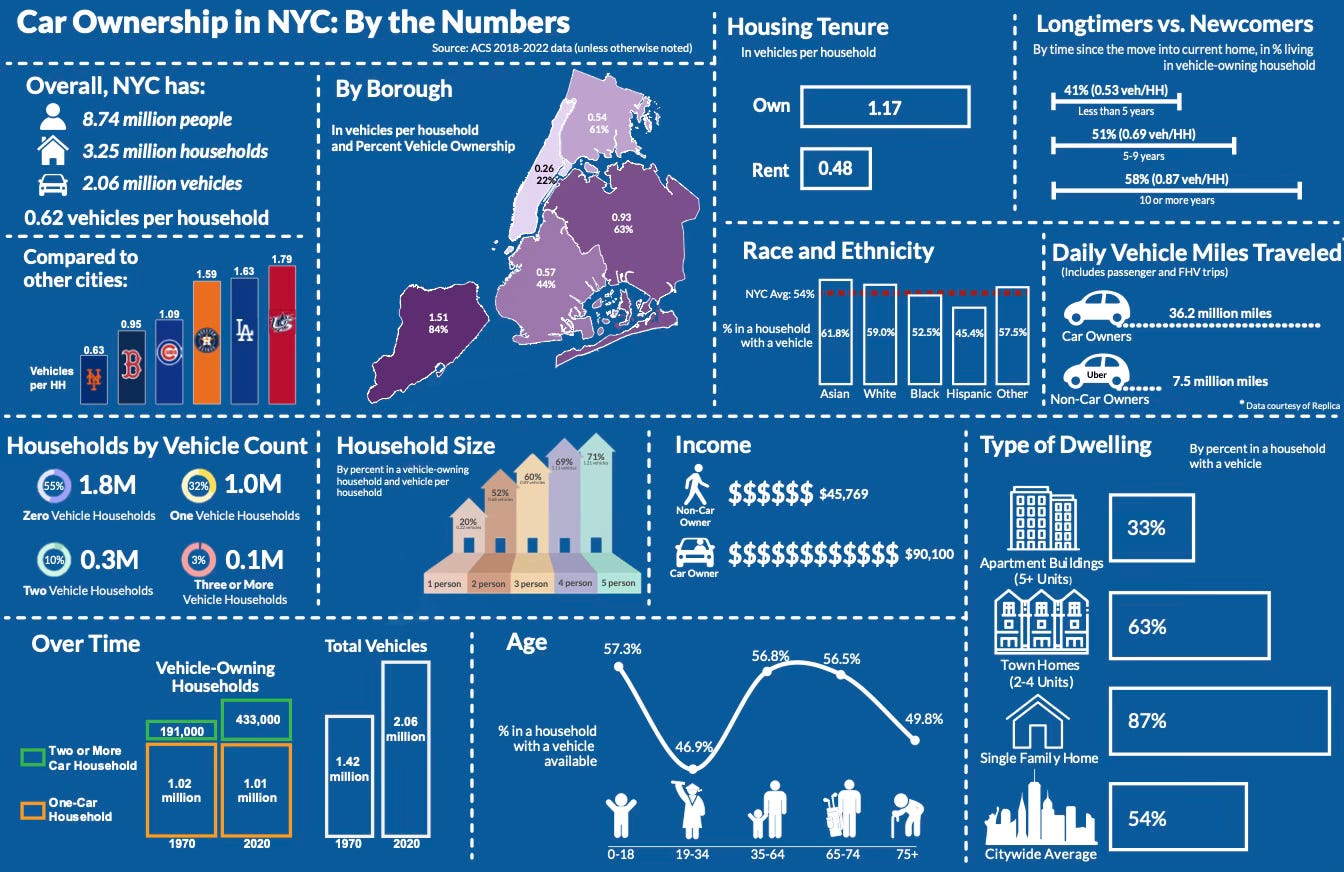
While we may agree that, in general, cars are not great as a means of transportation in dense cities, to dismiss the fact that many people need them is utopian, especially given NYC’s geography.
About half of all NYC households own a car. In the transit deserts and the outer parts of the outer boroughs, a car is often a necessity. It is counterproductive to reflexively villainize car owners for needing one without offering a meaningful alternative in return.
The focus should be on optimizing the experience by balancing all uses of public space, with the goal of achieving functional curb space and fast commutes. This means the city actively:
Prioritizes movement by implementing its own suggestions. Creating dedicated delivery, drop-off and pickup zones in front of large apartment buildings, schools, and supermarkets. Enforcing parking and moving violations that help keep bus, bike, and driving lanes clear, which in turn will help to calm New York’s streets and nerves.
Recognizes the trade-offs: The push to allow more street vending and permit more things—like dining spaces, bike storage, charging stations, and sanitation containers—on the curb and sidewalks will come at a cost. Every foot of public space is a trade-off that must be consciously made, considering also financial, not just political, implications of new and existing uses.
Deliver on the Bike Network
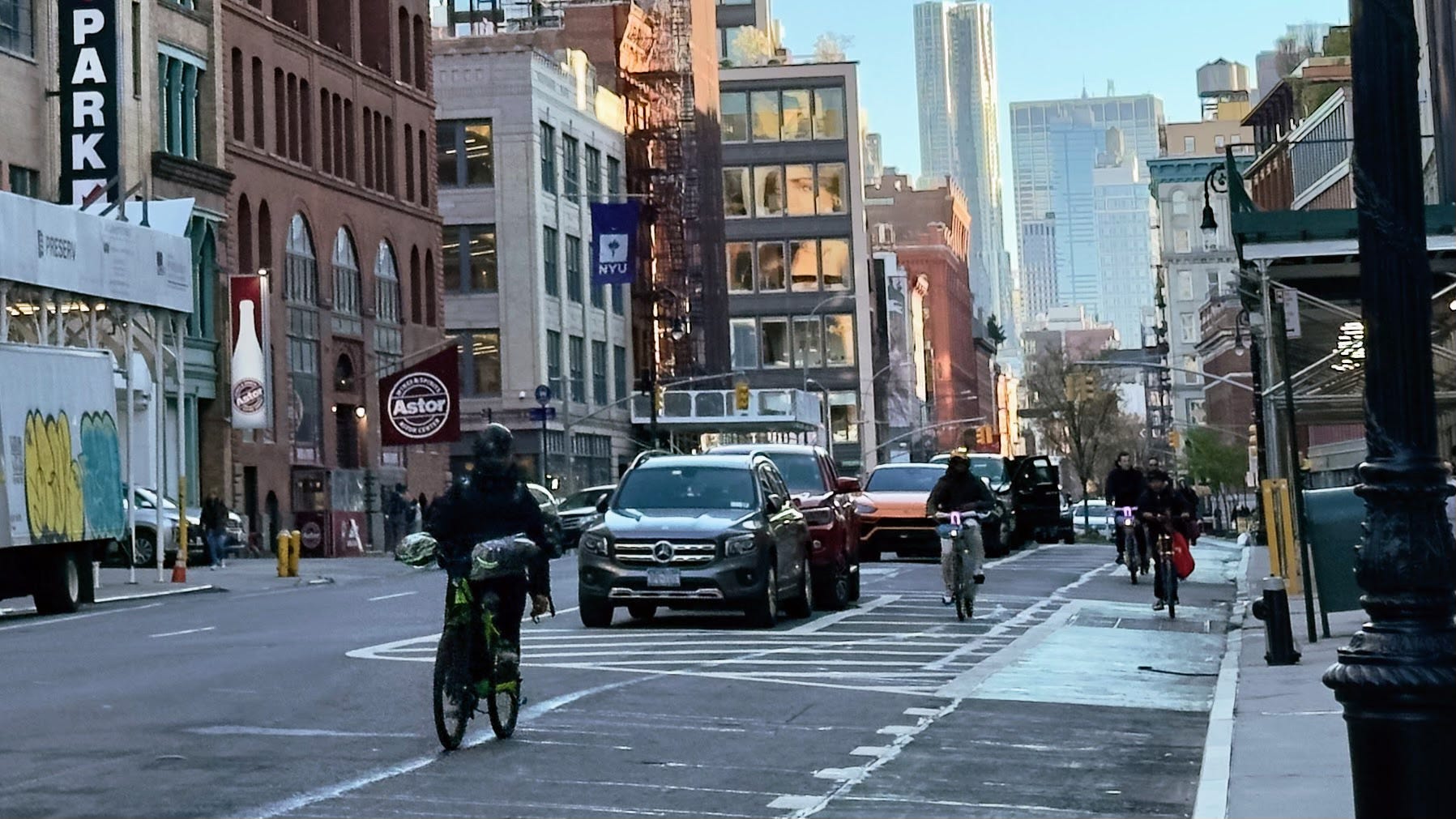
New York now has hundreds of miles of bike lanes, but not nearly enough of them are safe enough to convince the average New Yorker to give bicycling a chance. Creating a fully connected and separated bike lane network would make a difference.
Furthermore, with the rise of e-bikes and scooters mixing uneasily with slower cyclists and pedestrians, the city should explore creating fast lanes for these devices traveling at the permitted 15mph, which would take them out of the way and make the streets much safer for everybody.
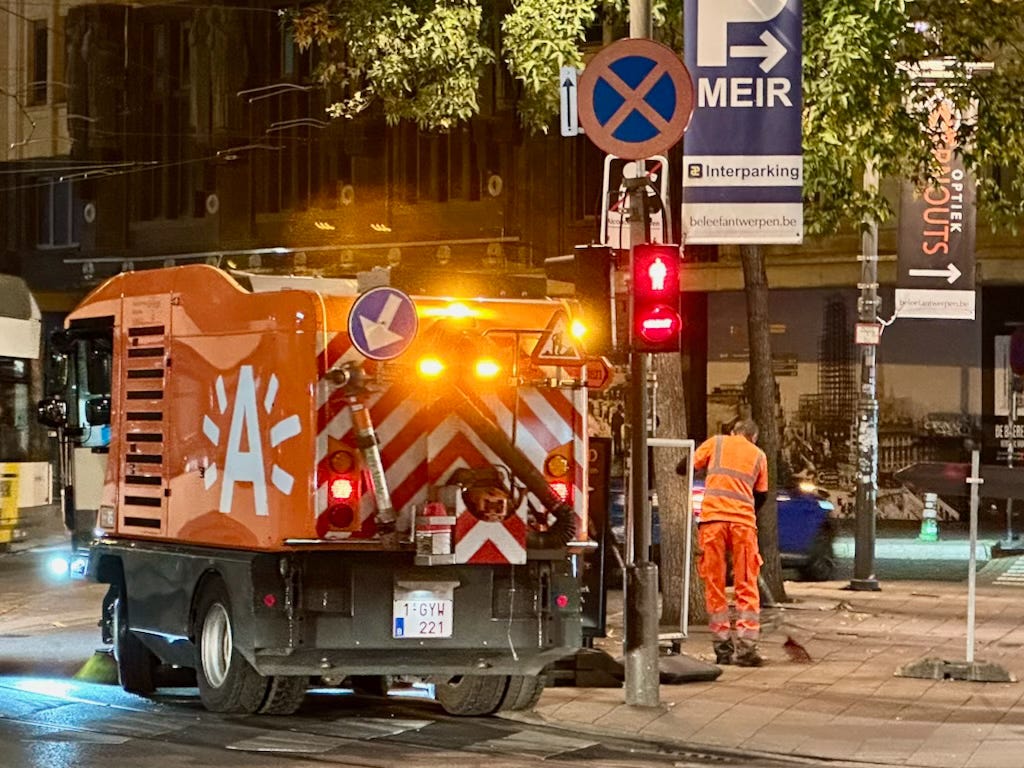
Clear, consistent enforcement of traffic rules, paired with physical improvements like cleaner sidewalks and curbs, safer crossings, better lighting, faster buses, and functional curb space, can make life better for millions of New Yorkers.
Together, these actions offer a glimmer of hope for better streets and could offer relatively quick wins for the Mamdani administration.
I am disappointed that you did not mention delivery bikes as a serious impediment to pedestrian safety. They are out of control in many neighborhoods violating traffic rules at every turn. Would love to hear a plan for taking back the streets.