

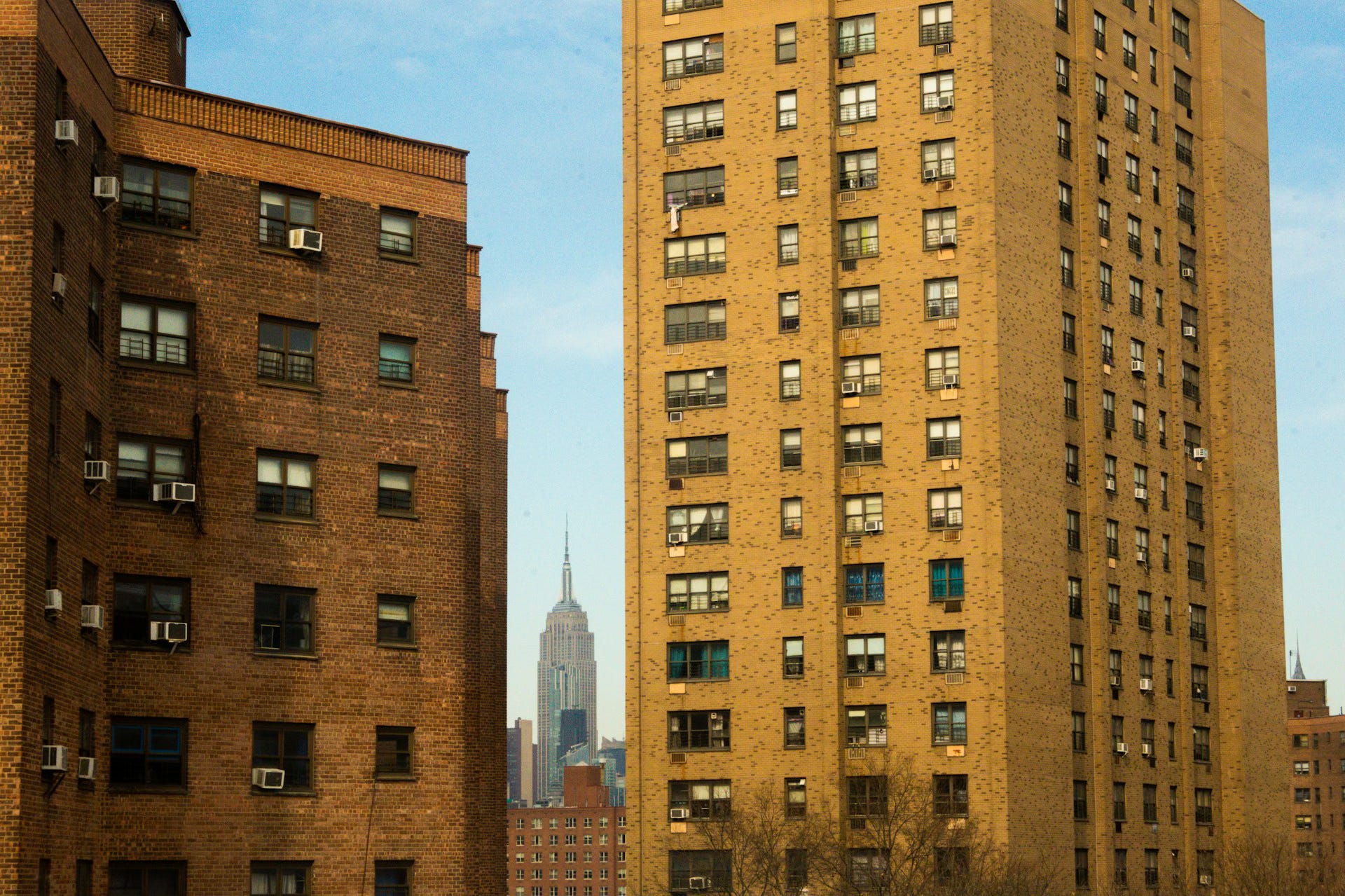
Mayor-elect Zohran Mamdani hasn’t been sworn in yet, but the political experiment surrounding him is already underway—testing whether a movement built on low-paid nonprofit labor, symbolic labor politics, and a financially fragile housing system can withstand the hard math of governing New York.
Zohran’s Volunteer Army
On Thursday night, a new outside group called Our Time made its debut, aiming to channel Mamdani’s enormous volunteer base into governing-era pressure.
In a 600-person call, the group outlined plans to lobby lawmakers, revive campaign-style canvases, and bus 15,000 supporters to Albany to demand universal childcare funded by taxing the rich, Politico reports.
The Politics of Low Pay
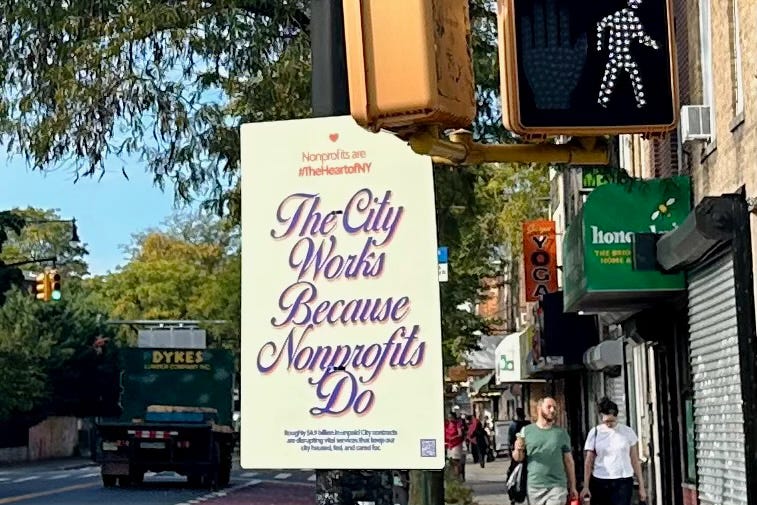
To understand more about how this huge volunteer effort came about, my colleague Stephen Eide takes a closer look at the rise of the city’s nonprofit sector.
New York’s social-services system has been quietly transformed over the past two decades, shifting work from unionized city employees to a large, lower-paid nonprofit workforce. That administrative choice had political consequences no one fully appreciated until this year, when Zohran Mamdani’s campaign was powered by tens of thousands of young, ideologically motivated volunteers.
Mamdani’s Starbucks Stunt Could Undermine Everything He’s Promised
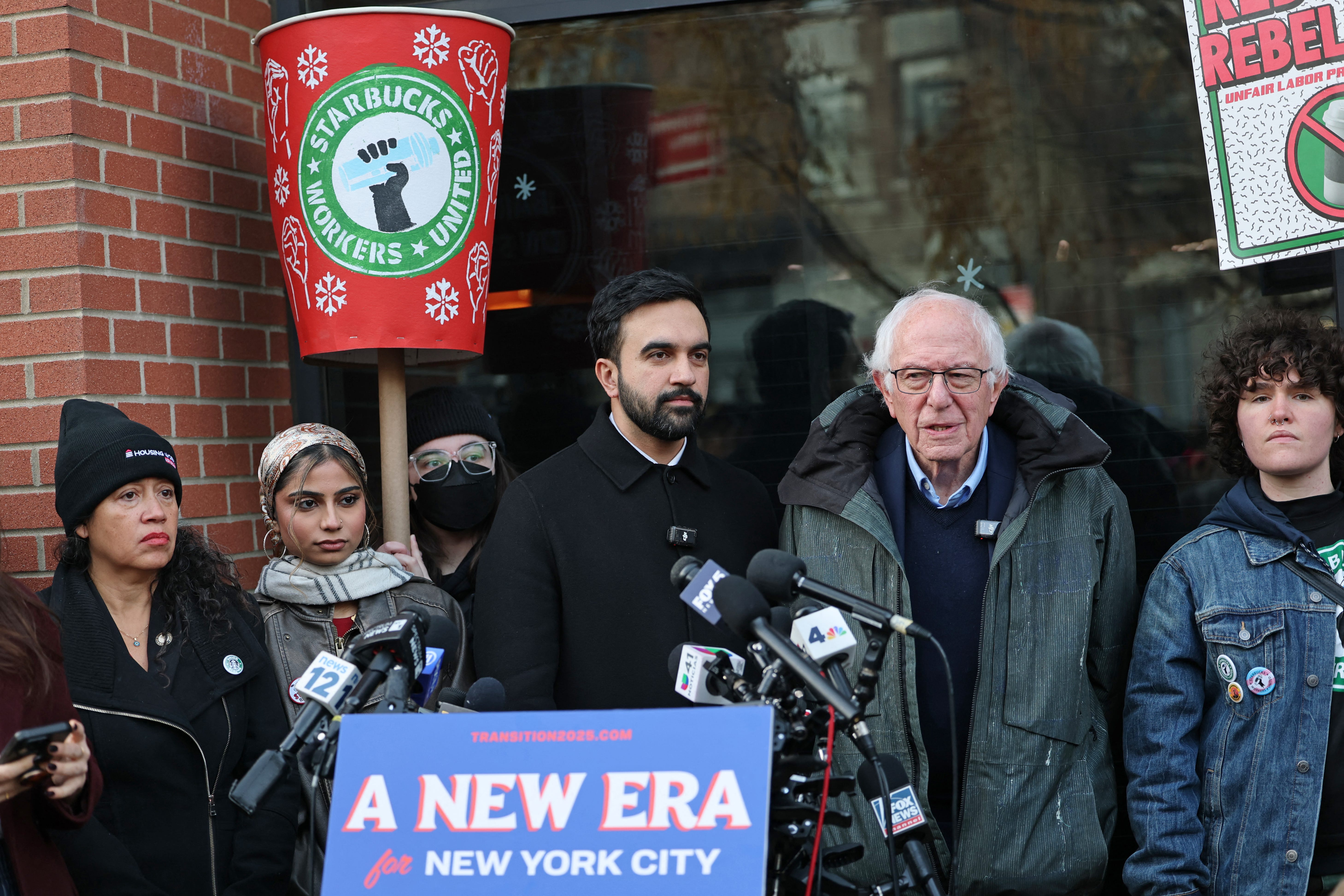
On Monday, Mayor-elect Zohran Mamdani joined Senator Bernie Sanders on a Brooklyn picket line to support unionized Starbucks baristas on strike.
“Putting aside the impropriety of a mayor-elect inserting himself into a private labor dispute, Mamdani’s decision to publicly oppose a major employer in such a performative fashion will undermine his broader agenda,” writes my colleague John Ketcham, because Mamdani’s big spending plans by necessity depend on corporate taxpayers like Starbucks.
The $1 Billion Question
The New York Housing Conference released a report this week on the alarming share of affordable housing buildings that are in distress and the need for action to preserve them. Of the about 213,000 publicly‑subsidized affordable units, a sampling of about 125,000 showed that more than half are under water.
NYHC, a coalition of private and nonprofit developers, landlords and managers, outlined the need for a roughly $1 billion rescue package and policy fixes—tax relief, rent resets on long‑vacant units, targeted operating subsidies— or the buildings that house some of the city’s lowest‑income tenants will not pencil out.
Who Buys When Owners Want Out?

Into that landscape comes the Community Opportunity to Purchase Act (COPA), a City Council bill supported by the incoming mayor, that would give nonprofits, community land trusts, and occasional tenant groups the first shot at buying multifamily buildings when owners decide to sell.
Owners of covered buildings—four units and up—would have to give notice before listing, then wait through a defined window while qualified nonprofits decide whether to bid and then have the first right of refusal to match private offers, effectively creating a social‑housing on‑ramp for distressed or speculative properties.
Landlord and broker groups are warning that COPA will depress prices, delay sales, and hand too much power to a curated list of nonprofit purchasers. Advocates see a chance to pull a slice of the rental stock out of the private market, especially the aging, over‑leveraged rent‑regulated buildings that might otherwise end up in private‑equity hands or foreclosure. The bill’s sponsor hopes to see it pass before the year is out.
Return of the Rooming Houses?
New York may have over‑corrected against “small,” banning most rooming houses, SROs, and shared housing models that once provided cheap options for single adults.
A bill, introduced by Manhattan Councilman Erik Bottcher, proposes to re‑legalize certain shared housing types by 2027, making the case that micro‑units, co‑living, and lightly regulated rooming arrangements could soak up demand from students, service workers, and new arrivals now crowding family‑sized apartments. The political tradeoff: re‑legalizing “small” means accepting denser, more transient housing in neighborhoods that have grown accustomed to excluding it.
Streets, Trash, and Bikes

Streets: On Staten Island, Councilmember Frank Morano is pushing legislation to study lifting New York’s “no right on red” rule at certain intersections in the borough, arguing that Staten Island is more like New Jersey than Manhattan and should not be governed by the same traffic rules.
Trash: A new report criticizes the city’s containerization plan for putting black‑bag garbage into shared bins while leaving recycling and compost largely in bags on the curb. DSNY has responded that cost, space, and truck design are real constraints—but critics point out that those are the same reasons given for decades to defer serious reform.
Bikes: Meanwhile, the DOT is preparing a citywide rollout of secure bike parking at roughly 500 locations next year, having chosen Tranzito to install and operate the network. The small units will be located in repurposed parking spaces, and the large ones look to be located on sidewalks.
Extra! Extra!
In a new Manhattan Institute survey of nearly 3,000 voters, we sought to understand what today’s Republican coalition really looks like: who’s in it, what they believe, and which parts are politically stable.
“Rather than a tidy split between Reaganites and Buchananites, or “normie cons” and “post-liberals,” we found two much messier blocs,” Jessie Arm writes.
Roughly two-thirds of the coalition are what we call “Core Republicans”: longstanding GOP voters who have pulled the Republican lever for years. They are consistently conservative on economics, foreign policy, and social issues. They still prefer cutting spending to raising taxes, still see China as a threat, still support Israel, and remain firmly opposed to DEI and gender ideology.
The other major bloc—just under 30 percent of today’s GOP—is what we call “New Entrant Republicans,” voters who joined the coalition in the Trump era. They are younger, more racially diverse, and more likely to have voted for Democratic candidates in the recent past. They are the ostensible audience for much of the eccentricity that now preoccupies conservative politics.
Ideologically, they are less conservative than Core Republicans on almost every major policy question we tested: taxes and spending, foreign policy, immigration, DEI, and transgender issues. Asked whether to close deficits through spending cuts or higher taxes on middle- and upper-income households, Core Republicans choose spending cuts by almost three to one. New Entrants slightly prefer higher taxes.