

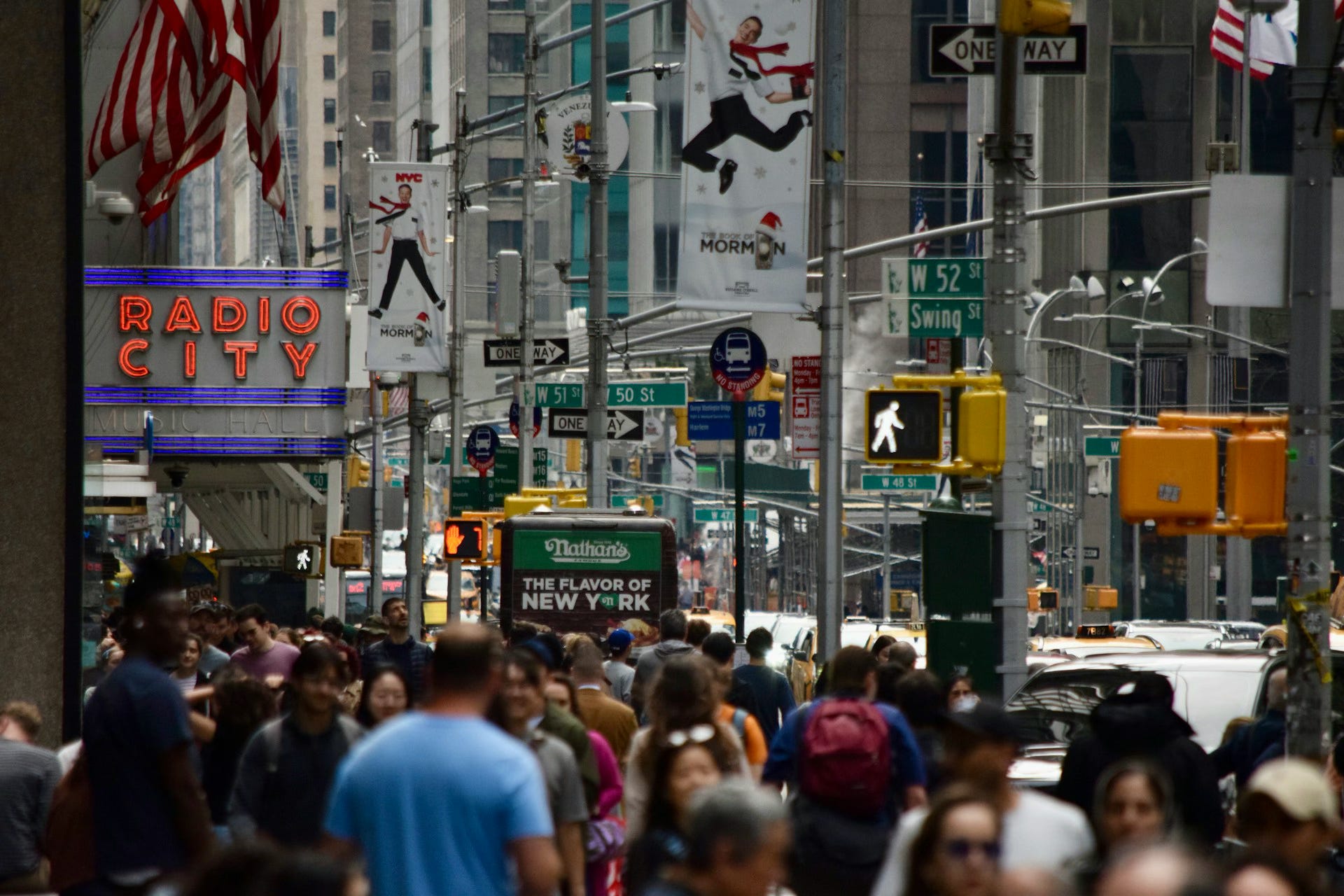
This week it is finally starting to get warmer again. There are more children outside (though not as many as there used to be), and the ice cream trucks have resumed their regular routes. It truly is lovely out there.
But we have had an exceptionally cold winter and spring, and crime almost always rises with warmer weather, as people spend more time outside and opportunities for all kinds of misdeeds increase.
The statistics for April will be out next week, and, based on how the data is shaping up, the mayor will celebrate yet another month of falling crime, standing somewhat stiffly next to his police commissioner, Jessica Tisch, who seems to be quietly keeping in place the tactics that actually drive crime down, including continued use of the gang database.
How long Mamdani’s DSA base, many of whom would prefer to see the NYPD abolished, will let him get away with keeping the department largely as it is remains to be seen.
Yet as we hear all the good news about crime, it is worth remembering that, as of the end of 2025, major crime remains significantly higher than it was before the pandemic in every category except murder.
The Public School Calendar Is for the Teachers Union, Not Families
“A recent analysis found that NYC students spend roughly 130 fewer hours in class per year than the national average, over a month less than their peers. Over the course of a student’s K–12 education, that gap compounds into the equivalent of roughly a year and a half of lost instructional time. That is not even inclusive of chronic absenteeism, where it has been reported that 33.3% of students were absent at least 10% of the 2024-2025 school year,” MI’s Jennifer Weber writes.
“NYC students lose about as much classroom time as students in the most under-resourced states in the country. Yet NYC leads the nation in per-pupil spending, at $34,717 per student. The outcomes do not match the financial investment the city has made in education, raising questions about how effectively instructional time is being used and allocated. On the most recent National Assessment of Educational Progress (NAEP) assessment, only 28% of NYC fourth graders read at or above proficiency, and economically disadvantaged students scored an average of 36 points lower than their peers.”
Podcast: Autonomous Vehicles and NYC
In this week’s episode, Nicole and I talk with “Gridlock Sam” Schwartz, the city’s former Traffic Commissioner, and Kelly McGuinness, director of the Sam Schwartz Transportation Research Program at Hunter College, about the good, bad, and ugly about self-driving cars and dense, transit-centric cities.
It ended on a positive note:
Watch the full episode below or find us on your favorite podcast app.

More From MI on Crime, Schools, and Housing
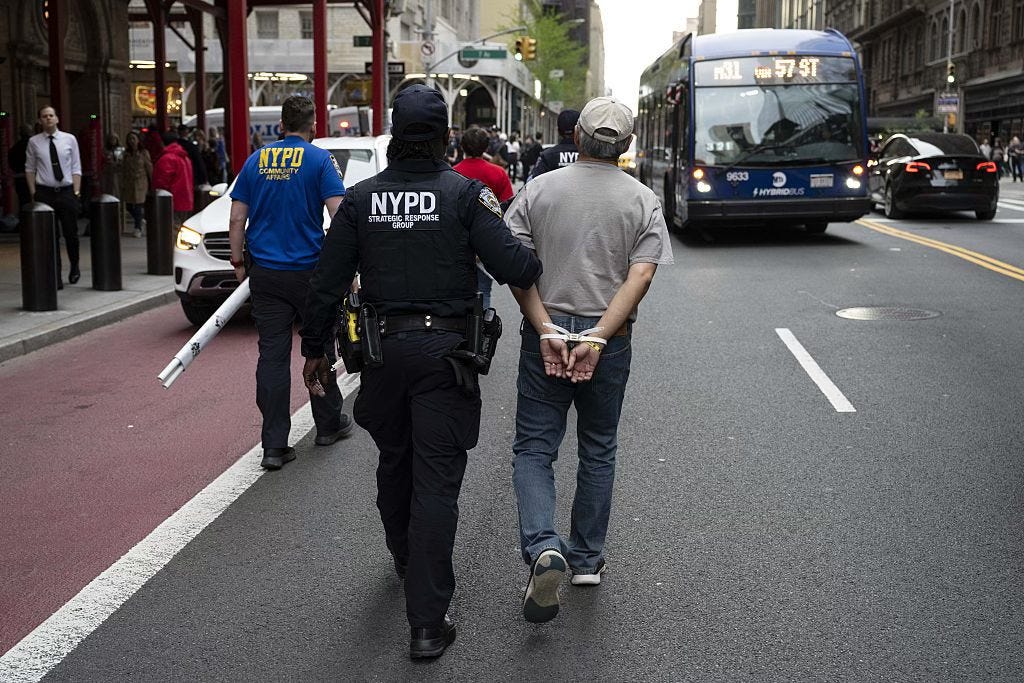
Rafael Mangual on New York’s repeat offender problem:
“[I]t’s time for policymakers to consider a middle-ground position that doesn’t force prosecutors and judges tasked with keeping the public safe to make decisions without all the facts. New York State should revise its clean slate and other record-related rules, allowing police, prosecutors, and judges to access rap sheets while still keeping them hidden from civilian employers.”
Nicole Gelinas on how Mamdani should deal with street mobs (in response to drag racing in Queens):
“Only human enforcement conducted by police officers can punish and deter these “extreme evaders.” Even the most ambitious streetscape-redesign plan can’t fix every road within the next few years. Moreover, such redesigns absent enforcement will only push lawbreakers onto parkways and highways. The mayor needs to embrace the critical role of police in keeping the streets clear of danger and disorder.”
John Ketcham on a small lot fix for New York’s housing problem:
Council Speaker Julie Menin announced a plan to reform construction rules that currently make it uneconomical to build on small lots in the city. “Menin’s approach stands in stark contrast to Mayor Zohran Mamdani’s housing agenda, which has largely centered on government-subsidized development. But New York’s housing shortage will not be solved through subsidies alone. If the city wants to meaningfully expand supply, it must reduce the regulatory barriers that make new housing slow, costly, and often infeasible to build in the first place—including on small, vacant lots.”
Extra! Extra!

Richard Florida writes in The Financial Times about big companies unbundling their headquarters in the US:
“So the new corporate geography looks like this. The owners increasingly opt for lifestyle tax havens. Young talent stays in the superstar cities. And the large middle of the corporate workforce now has real choice, with a growing number opting for lower-cost, lower-tax blue cities in red states.”