


Mamdani is betting that “radical listening” — hyper-visible, high-touch engagement that makes people feel directly acknowledged by the mayor — can buy him time and trust in a city that’s generally rather cynical about City Hall’s willingness and ability to actually fix things.
“The best way to serve this city is to listen to it,” Mamdani tweeted upon visiting a #311 center and taking a few calls earlier this week.
Before he’d even moved into Gracie Mansion, he spent twelve straight hours in a Queens museum doing one‑on‑one conversations with New Yorkers called “The Mayor is Listening.” He set up the Office of Mass Engagement to change how the city listens to its residents. And he is producing so much media across the various platforms, indicating he’s been listening, one wonders when he has time for other things at all.
This week, he showed up at the Bronx Rental Ripoff Hearings, in which high-ranking officials listened to residents along the lines of Mamdani’s Queens event mentioned earlier. The outcomes of these hearings will inform policy, we are promised.
But it matters who gets to be heard. The administration took a lot of grief from the NYC Housing Authority’s tenants for not listening to them at all at the previous Rental Ripoff Hearings (NYCHA is the city’s worst landlord). Mamdani finally acknowledged the omission this week and now says he wants to hear from them after all.
People are more likely to be satisfied with a process when they believe they were genuinely heard, even when the outcome isn’t what they wanted.
“For somebody to spend their time—the mayor of the city—just to sit down and talk to the tenants, or let the tenants talk to him. It means a lot,” Linda Seward, who testified to the mayor directly about the issues in her apartment, told City Limits.
Mamdani hopes it will work at scale.
But the more elaborate the listening infrastructure becomes, the more unforgiving voters may be if they end up feeling like sharing didn’t matter after all.
Local
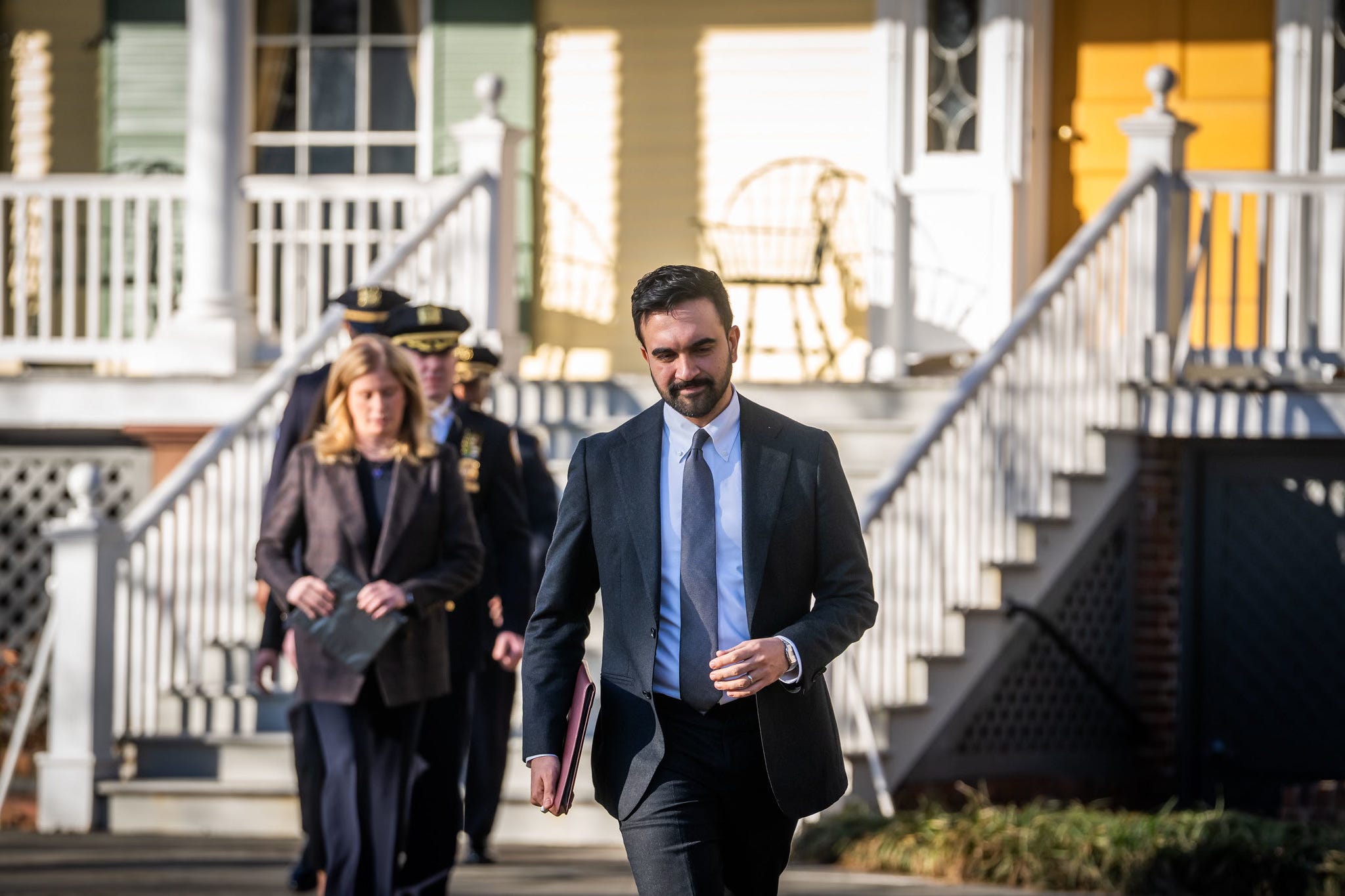
Writing on Mamdani’s response to last Saturday’s alleged attempted terrorist attack near Gracie Mansion, where the suspects invoked ISIS, The New York Times remarked that “Mr. Mamdani may have risen to power on the strength of his strong communication skills, but in moments that cut close to some of the city’s deepest fault lines and his own religious identity as the city’s first Muslim mayor, he has come to favor a more cautious and stiffer approach.”
Quote of the Week
“As New York City’s first Muslim mayor, Zohran Mamdani is the most prominent observant Muslim in American life. He has made his religious identity a central part of his political identity, and he has vowed not to “bite his tongue” in the face of Islamophobia. That gives him unique credibility and authority to speak out against the chauvinism, extremism, misogyny, and racism that exist within Muslim communities, and that has translated to violence again and again.” — MI’s President Reihan Salam
Immigrant Students Who Master English Have the Highest Graduation Rates in NYC
Overall, NYC’s four-year high school graduation rate for the Class of 2025 fell just over 2 points to 81.2%, the steepest drop in more than 20 years, driven disproportionately by big declines among students with disabilities and English learners, alongside a spike in the ELL dropout rate, Chalkbeat reports. Officials and experts point to the end of pandemic-era Regents waivers, lingering chronic absenteeism, and still‑unsettled plans to replace Regents with a broader “portrait of a graduate” set of competencies.
Only about 52% of students still labeled English language learners finished high school on time, and nearly 1 in 5 dropped out altogether. But among their classmates who once received ELL services and then exited, more than 9 in 10 earned diplomas and only about 2 in 100 dropped out, a better record than students who were never ELL. (Note: this DOE data does not include charter schools).
Schools
Educational Redlining in New York: “A new report from the nonprofit Available to All argues that the state’s school maps, which shadow the old redlining maps that once helped restrict access to housing in mostly minority areas, remain a major obstacle to equal educational opportunity,” MI’s Danyela Souza Egorov writes.
A coalition of charter schools is urging Mamdani and Hochul to include charters in the city’s child-care expansion, arguing that pre-K students in charter schools receive about $20,000 less per child than peers in district schools—a “direct divestment” from the one-in-six public school families who rely on charters and a violation of the principle that all public school children deserve equal funding regardless of which public school they attend.
The Bigger Apple Podcast
In this week’s episode, MI’s Nicole Gelinas and I talk with former Baltimore police officer and John Jay professor Peter Moskos about Washington Square’s social‑media snowball fight, NYPD staffing and recruitment challenges, the proposed Community Safety Department, homelessness, data, and much more.
Please listen and subscribe wherever you listen to your podcasts. Here are the links to Spotify and Apple, and you can always find them under the podcasts tab.
Money
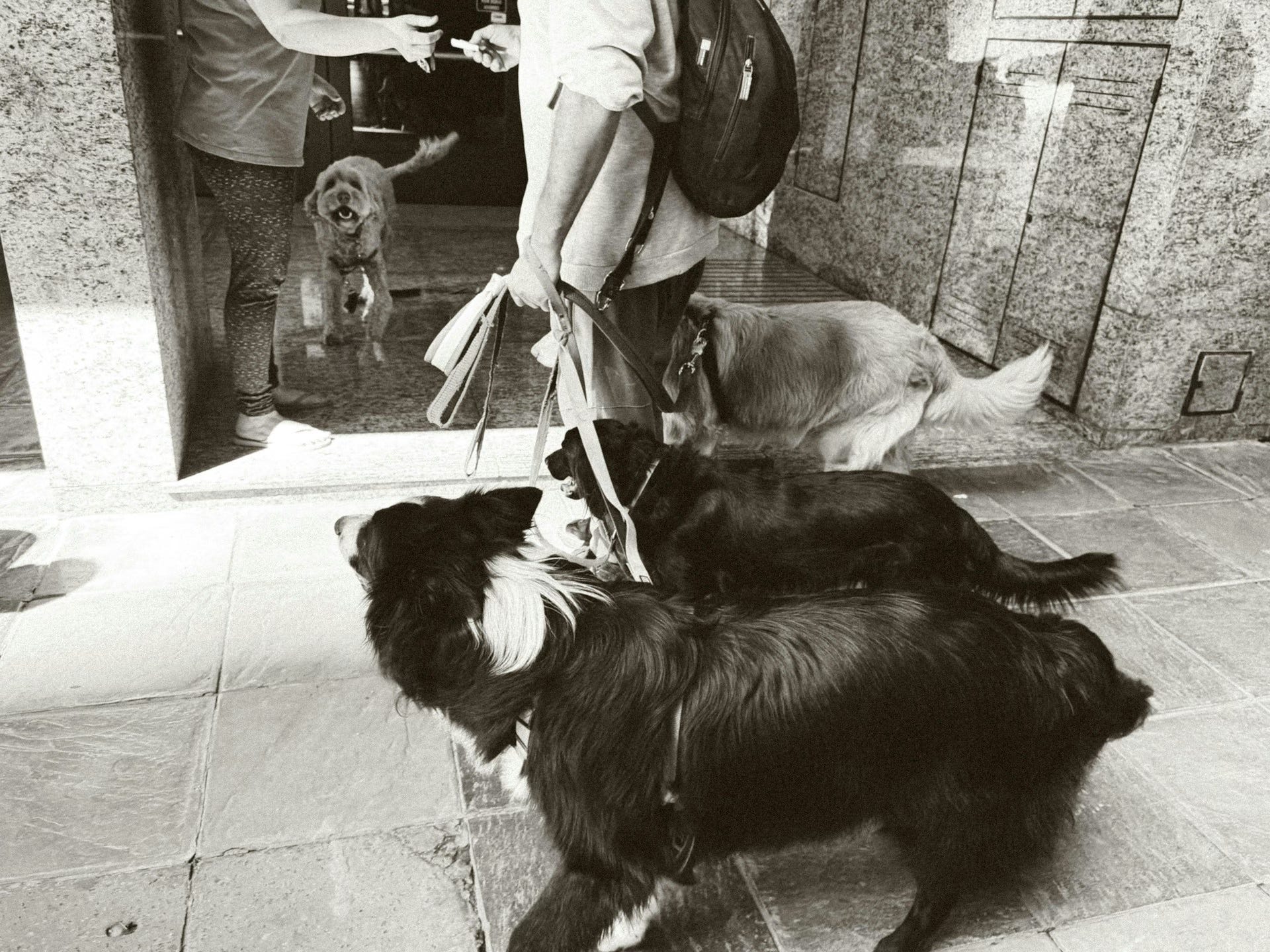
How we make it - Want to know how your paycheck stacks up in a city where a dog walker can clear six figures and a doorman gets $13,000 just in tips? How about a dentist or plastic surgeon? New York Magazine’s new salary survey asks 60 New Yorkers—from pastors to psychoanalysts, doormen to designers—exactly what they earn and how they’re actually getting by. It’s part voyeurism, part reality check, and it will almost certainly make you rethink what “making it” in New York really means. (New York Magazine)
The city to end tax lien sales — The mayor’s executive budget projects a loss of $80 million in revenue from halting the tax lien sale. (Gothamist)
The mayor and both chambers are not letting up on demands to tax the rich. New York Focus has a handy table on the state budget proposals.
Moody’s, the bond rating agency, shifted NYC’s outlook to negative because spending plans exceed likely revenues.
Extra! Extra!
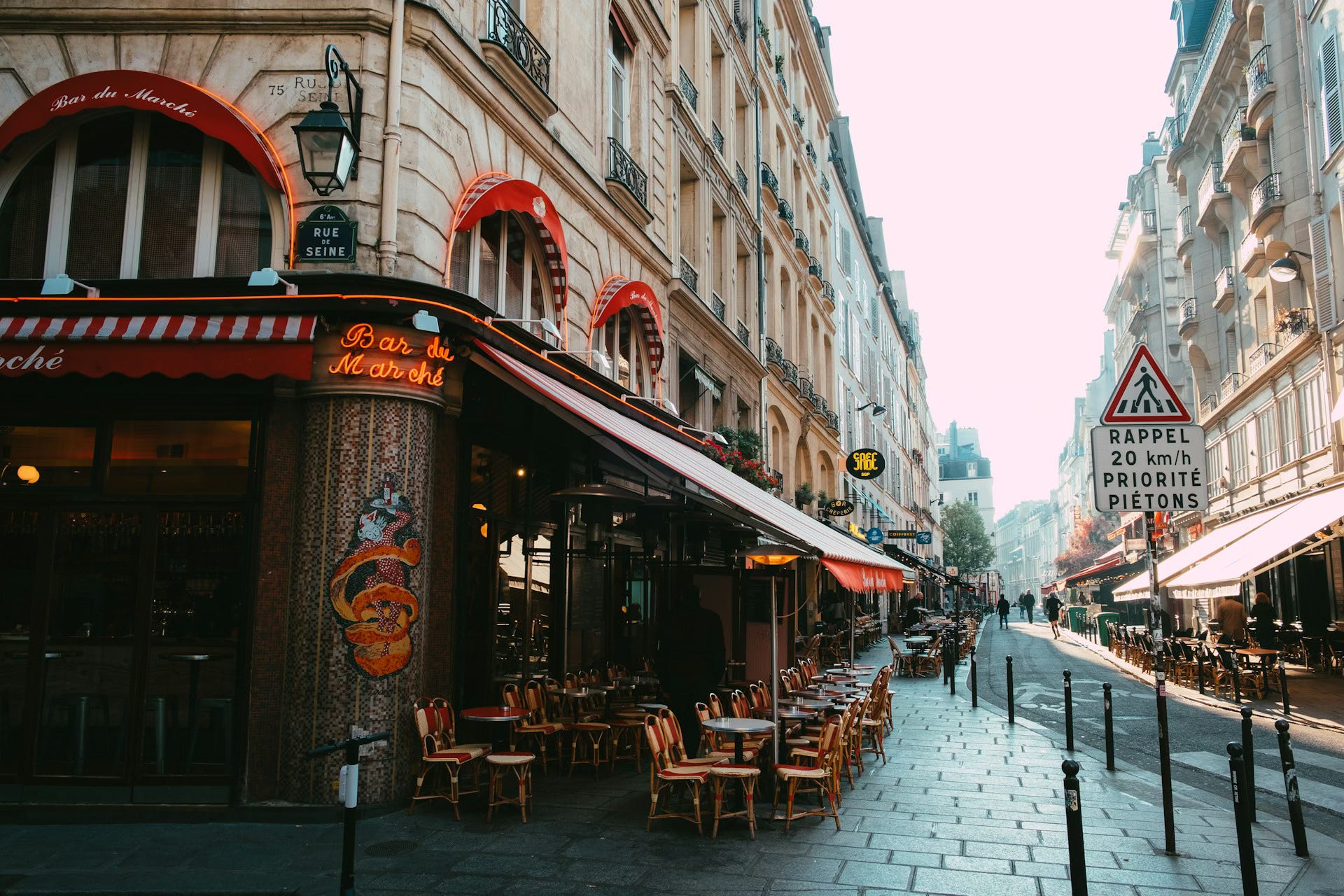
Paris’s aggressive push to reduce car use and boost bikes and transit has improved urban life and not harmed its economy, offering lessons for other cities on managing traffic, deliveries, and cyclists themselves, Financial Times reports. Caveat — it seems to work in the core of the city.
It’s 2026: Is it time for a comprehensive plan for New York City? Brooklyn has one.

The finding that immigrant students who master English have better graduation performance than native English speakers in NYC is noteworthy but not surprising.