

Wall Street Bonuses
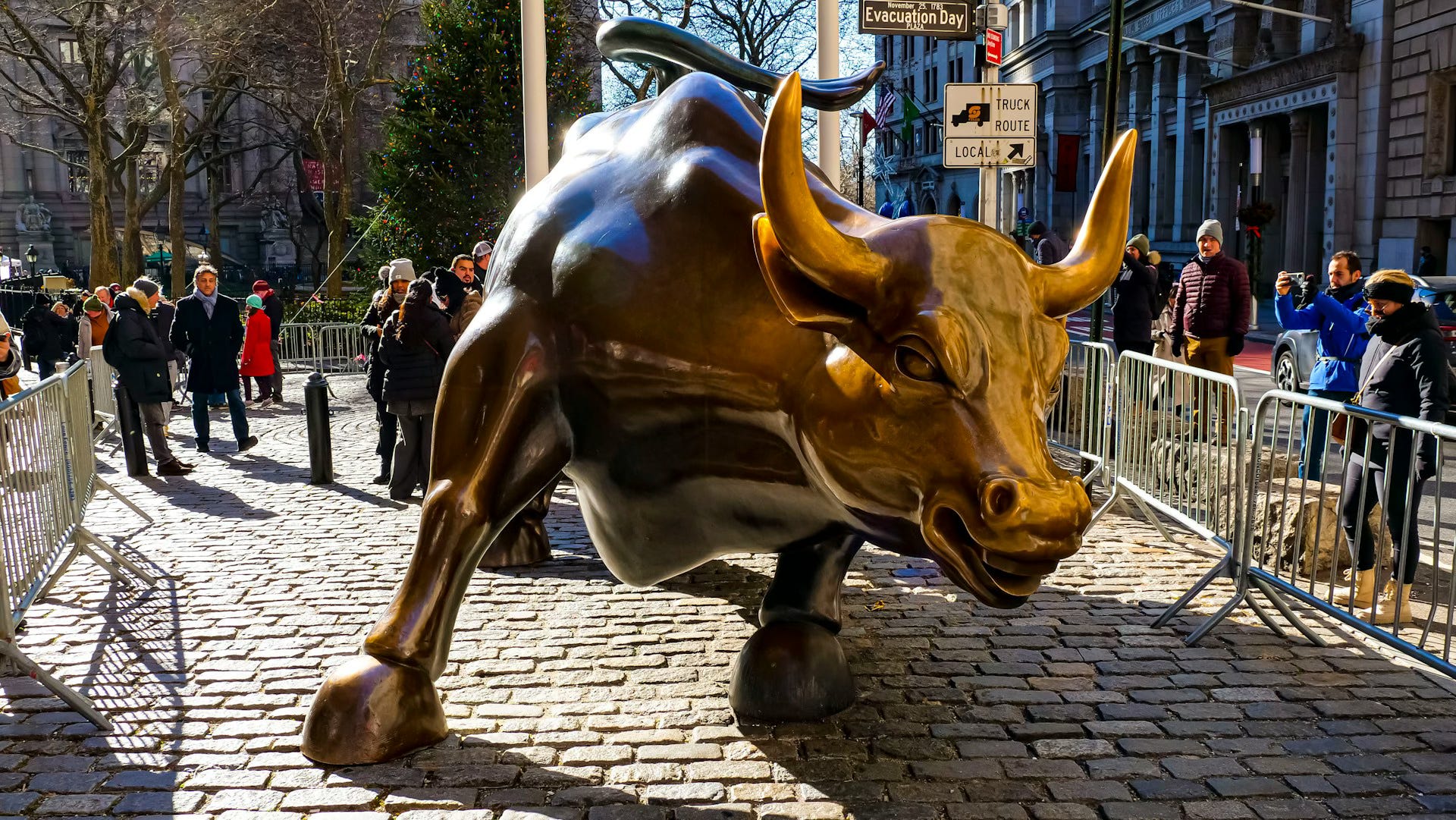
Wall Street bonuses hit a record $49.2 billion last year, up 9%, with the average bonus coming in at $246,000 — a big boost for state and city tax revenue, the state comptroller reported this week. The city, however, had been counting on 15% in its budget estimates.
The securities industry, which employs less than 5% of the city’s private sector workers, accounted for roughly 8% of all city tax collections in fiscal year 2025 and nearly a quarter of all personal income tax revenue. That concentration means the city’s budget is very sensitive to what happens on Wall Street in any given year.

Savings Plans
Despite the strong Wall Street year, Mamdani is struggling to balance his proposed $127 billion budget, which the city is required to do by law, and where he’s looking at a $5.4 billion gap.
In addition to lobbying Albany for higher income taxes on the rich and floating property tax increases, earlier this year, he also tasked agencies with identifying $1.7 billion in savings. This week, Mamdani announced they have, and released details on $250 million of them, which were a mix of efficiencies and bringing contracted work in-house. How the city will accommodate the increased departmental workloads, and how effective the agencies will be, remains to be seen.
The most substantial savings would likely come from delaying compliance with the class size law Mamdani supported as Assemblymember, which caps student-teacher ratios, and reining in CityFHEPS, the city-funded housing voucher program the pro-tenant candidate promised to expand as mayor.
Mamdani is currently fighting a court order requiring him to do the latter. CityFHEPS already costs $1.78 billion, up from $26 million in 2019, and full expansion could push that past $4 billion by 2030. Housing advocates are calling it a betrayal. MI’s Stephen Eide explains just how unsustainable the program is.
And he would like the state’s help with the former. Back in 2023, the city’s Independent Budget Office estimated that fully complying with the class size law would cost the city between $1.6 billion and $1.9 billion annually, before any capital costs. MI’s Danyela Souza Egorov writes that, in addition to the high cost, it is clear that class size reductions are not an effective way to improve educational outcomes.
The staunchly pro-worker Mamdani’s budget will also need to withstand labor negotiations later this year. The city has only budgeted for a 1.25% annual raise for its 300,000-person workforce, POLITICO reports. Historically, such raises run 2–3%, and every additional percentage point costs $500–600 million a year.
Rent Regulation

One of Mamdani’s signature campaign promises was to freeze rents for regulated apartments. The Rent Guidelines Board, which sets annual increases, just released its 2026 income and expense study, and the numbers complicate that promise.
Landlord net operating income rose 6.2% between 2023 and 2024 overall, but more than 9% of buildings ran at a loss, with expenses exceeding revenues. The variation across boroughs is significant, and a rent freeze that may be manageable for a Manhattan landlord could push a Bronx building into insolvency.
A Shrinking New York Can’t Afford Big Government
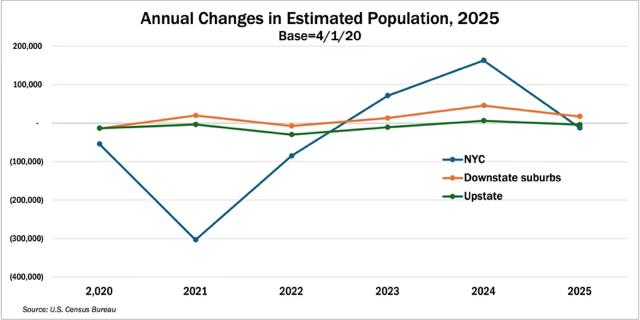
The latest Census data is out, and New York City has shrunk a little.
“Preoccupied with national politics, the news media typically frames every state population uptick or downtick in terms of congressional seats gained or lost. However, the outlook for New York’s post-2032 headcount in the House of Representatives is far less important than the implications of demographic decline for public policy closer to home,” MI’s E. J. McMahon observes. “In the absence of economic growth, a flat or falling population inevitably depresses tax revenues. But if New York has entered a new era of decline, you wouldn’t know it from watching current deliberations over state and city finances.”
The Forgotten Urban Worker

Both the left and right have failed America’s urban gig and service workers — the Uber driver, the career waiter, the freelance interpreter, MI’s Jarrett Dieterle writes in The National Review.
The left pushes unionization, reclassification, and minimum wage mandates that these workers largely don’t want and that the evidence suggests often hurt them: NYC’s 2023 delivery minimum wage raised pay on paper but created a 27,000-person waitlist of locked-out drivers; DC’s tip-credit repeal cut full-service restaurant jobs by 5% and reduced tipped worker earnings by $12 million. The right, meanwhile, has focused on blue-collar voters and seems to have written off cities entirely.
He argues conservatives have an opening to offer something neither side does: pro-worker policy without the union playbook.
At the heart of it is a portable-benefits model — employer and worker contributions to flexible accounts workers can spend on health insurance or retirement — that are already operating in several states and popular where tried.


