

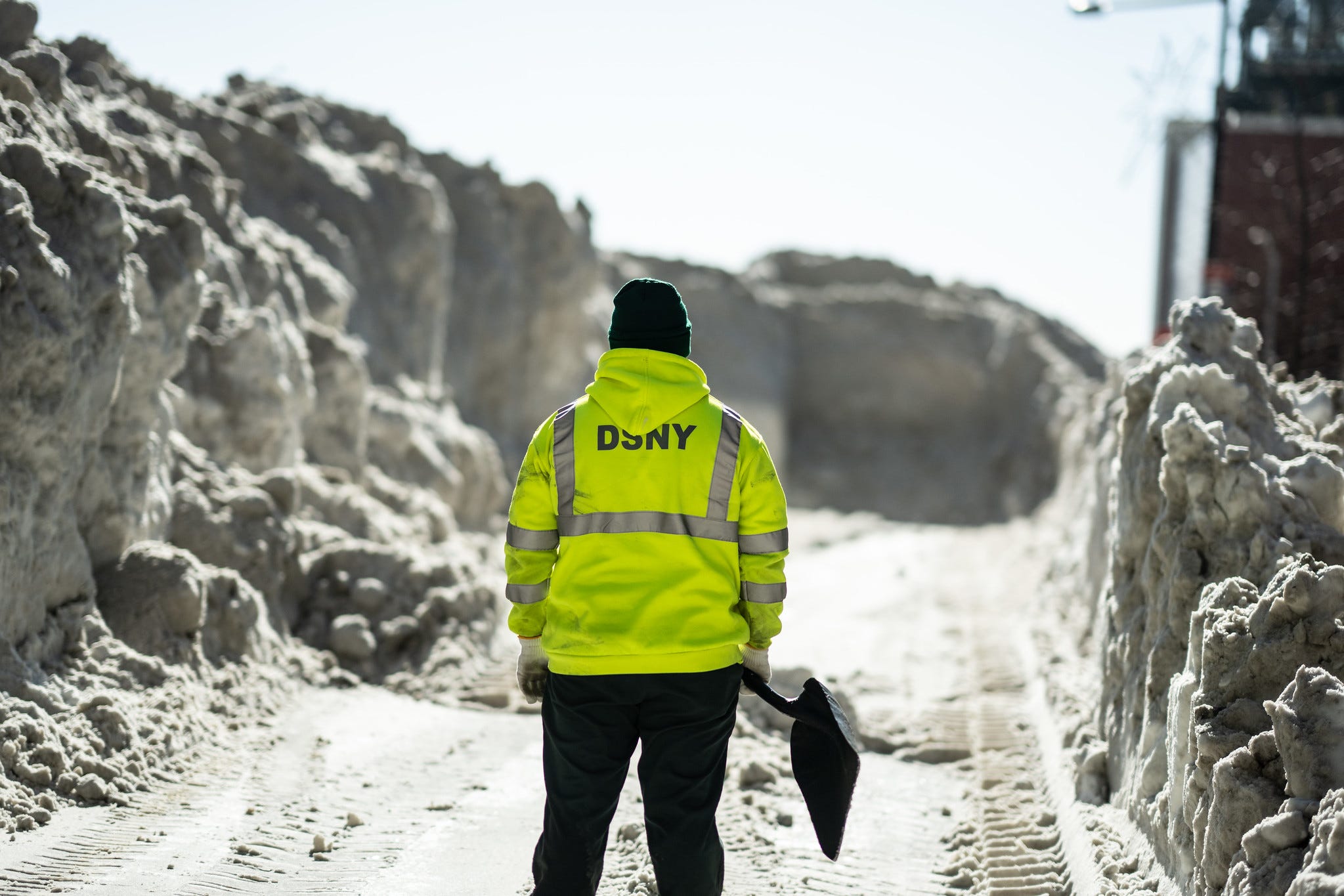
Mayor Mamdani was lucky that the storm hit on a Sunday, but it has been a bit rough going since then. Bus stops and crosswalks remain obstacle courses for the fit and able, and one has to pull out the rain boots, or risk ruining shoes in ankle-deep slush. Cars and CitiBikes are still buried under snow almost a week later, and the bus shelters don’t look so great either. It’s been too cold for the snow to melt, so now the city is removing and melting the snow itself.
But it is all trivial, considering that ten people have died outside since the storm started, six of them from hypothermia.
My colleagues Nicole Gelinas and Stephen Eide both shared their takes this week on what went wrong — chiefly, that prioritizing voluntary services for the homeless fails in extreme situations, when people who choose to remain outdoors are likely to die.
“If you are not connecting homeless New Yorkers to the housing that they so desperately need, then you cannot deem anything you’re doing to be a success,” Mamdani said of the Adams policy of clearing encampments, which failed to get homeless people into permanent homes after the sweeps.
“With homelessness policy, there is no more classic pathology than tolerating life-threatening behavior in the name of compassion,” Eide countered this week. “How is being forced into a shelter worse than dying in the cold?”
The headline on Stephen’s piece put it succinctly — Killed by ‘kindness’.
Fact

Local Politics
Trump still likes Mamdani, has some tips. (NYPost)
NYC’s borough presidents now wield more power over housing decisions. How will they approach it? (Gothamist)
The City Council let three of Eric Adams’ vetoes stand – while overriding 17 others, in itself a historic number. “We are actually overriding more mayoral vetoes in one day than the council has in the last decade combined,” City Council Speaker Julie Menin said at a press conference.
Among them, a bill supported by Mamdani and opposed by the real estate industry, known as COPA, won’t become law for now, but there will be more than 20,000 new street-vending licenses.
The Radical Politics of Being ‘Stuck’ in The City
Earlier this week, I wrote a piece about urban mobility, or rather, what the lack thereof is doing to radicalize NYC’s politics.
“If you don’t like it, leave” is a familiar New York response to complaints about cost or quality of life. It assumes that exit is easy and always available. But that’s no longer true, as the data below suggests.
Now, too many New Yorkers feel stuck in the city, with few good options to improve their lot, and outsiders are finding it harder and harder to move to the city without having amassed a fortune already. The result of this breakdown in mobility is a rise in radical politics.
By MI Fellows
The New Dietary Guidelines Are a Warning About State-Run Grocery Stores. If progressives distrust Robert F. Kennedy Jr.’s vision of healthy eating, they should rethink giving the government control over grocery aisles, writes Jarrett Dieterle in Reason.
Governor Kathy Hochul’s spending plan can hardly be called a “budget,” Ken Girardin argues in the New York Post. “Two years ago, Hochul warned, “We can’t spend like there’s no tomorrow, because tomorrow always comes.” New York may soon remember what a mistake it was to forget that.”
Meanwhile, E.J McMahon adds some city flavor. “Mamdani and his tax-the-rich allies in the Legislature regularly ignore the wider economic and fiscal context for what they’re proposing,” he writes. “The combined top federal, state and local tax rate on salary and bonus income for New York City residents has risen above 50% for the first time since the early 1980s — to the highest level in the country. At the same time, the federal-state-city tax on long-term capital gains is nearly 39% — not just the highest in the United States, but one of the highest in the world.”
NYC’s Universal Childcare Bill: $12 Billion?
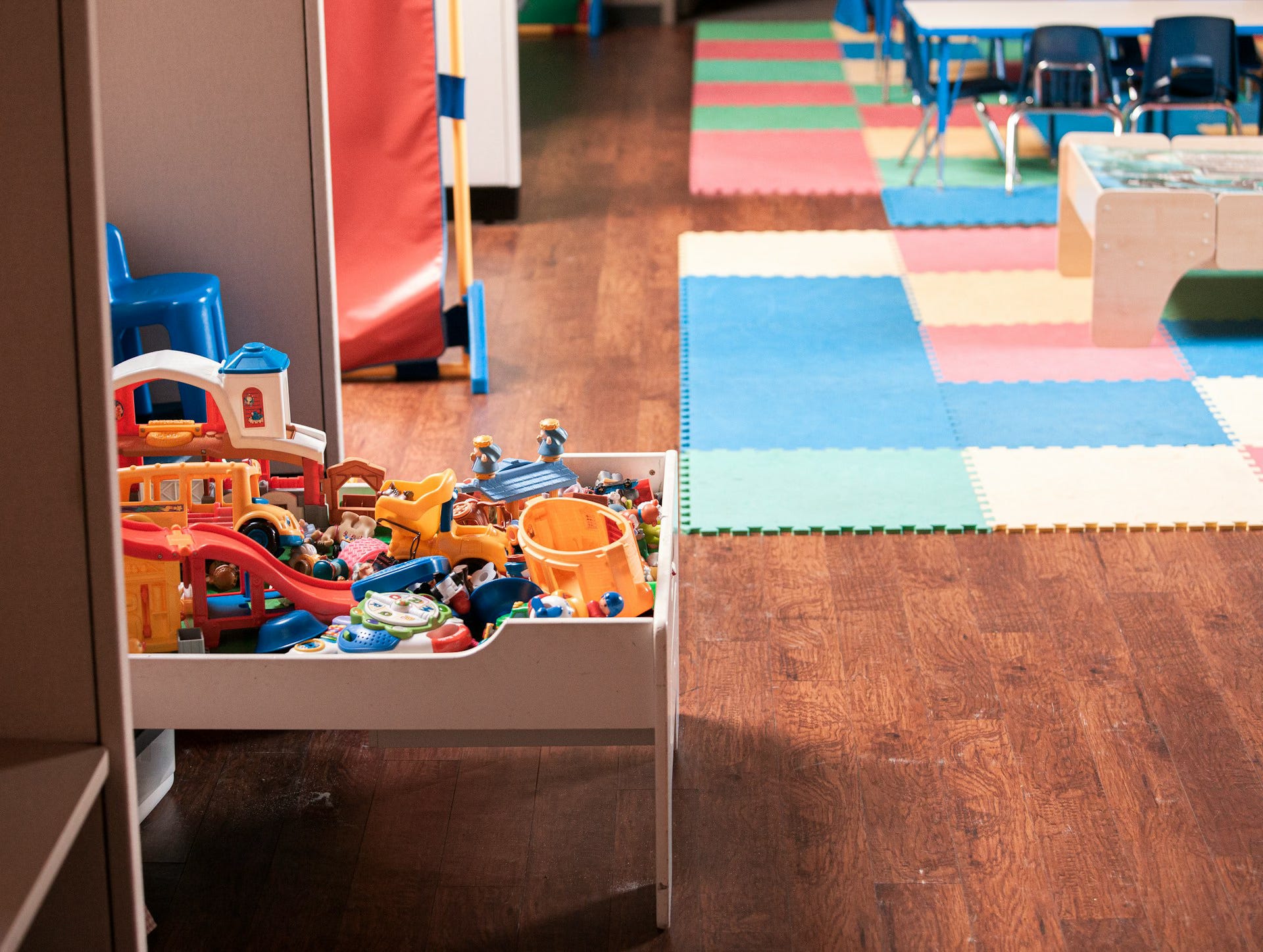
State Comptroller Thomas Di Napoli released a report on childcare and estimates the added cost of providing universal free care for children under 5 in NYC could range from $3 to $8 billion, depending on enrollment. Last year, the city spent $3.2 billion, or $20,000 per child on Pre-K and 3-K, excluding the cost of special education Pre-K services, which totaled nearly $900 million. So, the total cost of providing universal childcare in NYC could exceed $12 billion.
New York City currently serves about 159,000 children under five (around 35% of that age group). About 86% of three‑ and four‑year‑olds have access to seats, as do about 12–13% of children under three. Many 3‑K and Pre‑K seats go unfilled, suggesting either saturation or competition from vouchers that offer qualifying families greater flexibility to choose care that fits their needs.
Q&A with Emmy Liss: NYC’s new head of child care shares the administration’s vision for the city’s youngest kids. (Chalkbeat) Main takeaway: community-based and home-based child care providers will be critical partners in expansion, and their salary disparities will be negotiated in collaboration with unions: “the workforce needs to be respected and well paid.”
Case Study: Cleveland
The Bloomberg Center for Cities at Harvard University published a case study of how Cleveland leveraged its lakefront to spur development.


Solid framing on the mobilitly angle. The argument that trapped residents fuel political extremism makes way more senes than most takes on polarization. I saw something similiar happen in Chicago when housing costs made relocation impossible for middleclass families and local politics got increasingly combative.