

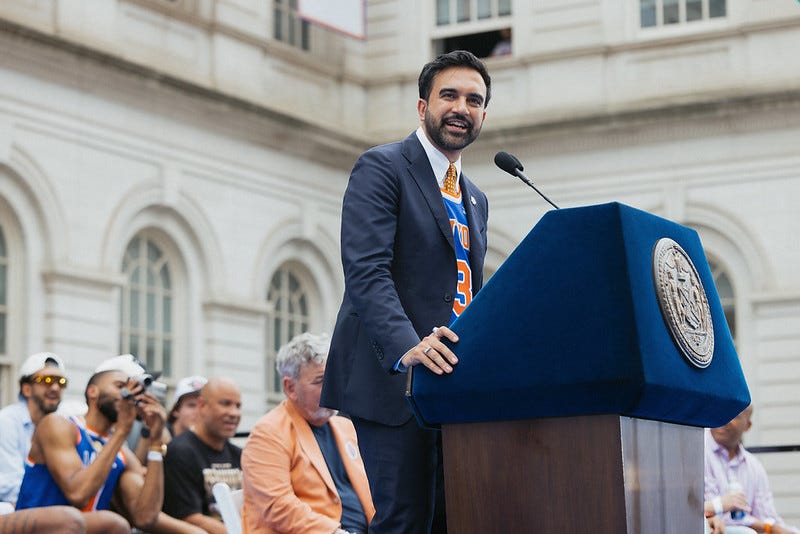
Mayor Mamdani had a very good June: the Knicks won, his endorsed candidates won the June primaries, and the Rent Guidelines Board this week approved a rent freeze on both one- and two-year lease renewals, helping him deliver on a major campaign promise.
What’s left is to reach an agreement with the city council on next year’s budget, due by July 1, which is being held up by differences over funding for CityFHEPS, the expensive housing support program, Politico reports. The mayor campaigned on funding it, only to change his mind given the city’s budget constraints.
The High Cost of New York’s Rent Freeze
Hours ahead of the Rent Guidelines Board vote, Christina Smyth, a member representing landlord interests on the board, abruptly resigned, calling the outcome predetermined. The board voted 7-1 to freeze the rent, with the lone dissenting vote cast by Arpit Gupta, an Associate Professor of Finance at New York University’s Stern School of Business and a senior fellow with the Manhattan Institute, one of the board’s five “public” members.
Today, City Journal published his detailed piece on the high cost of New York’s rent freeze.
“The central argument for a rent freeze is tenant affordability. But it’s important to keep in mind that rent stabilization is not an antipoverty program,” he writes. “After the 2019 regulation changes, eligibility for rent stabilization in New York City has not depended on a tenant’s income or assets. The benefit is tied to the apartment, not the household, and goes to whoever happens to hold the lease.”
Gupta argues that “[e]xpanding supply is the only genuine way to improve housing affordability, accessibility, and building conditions. For households that still need help, means-tested vouchers can provide targeted assistance without granting broad subsidies to long-tenured tenants or gradually undermining the viability of the city’s existing housing stock.”
Mamdani and DSA Won Big in Tuesday’s Primaries
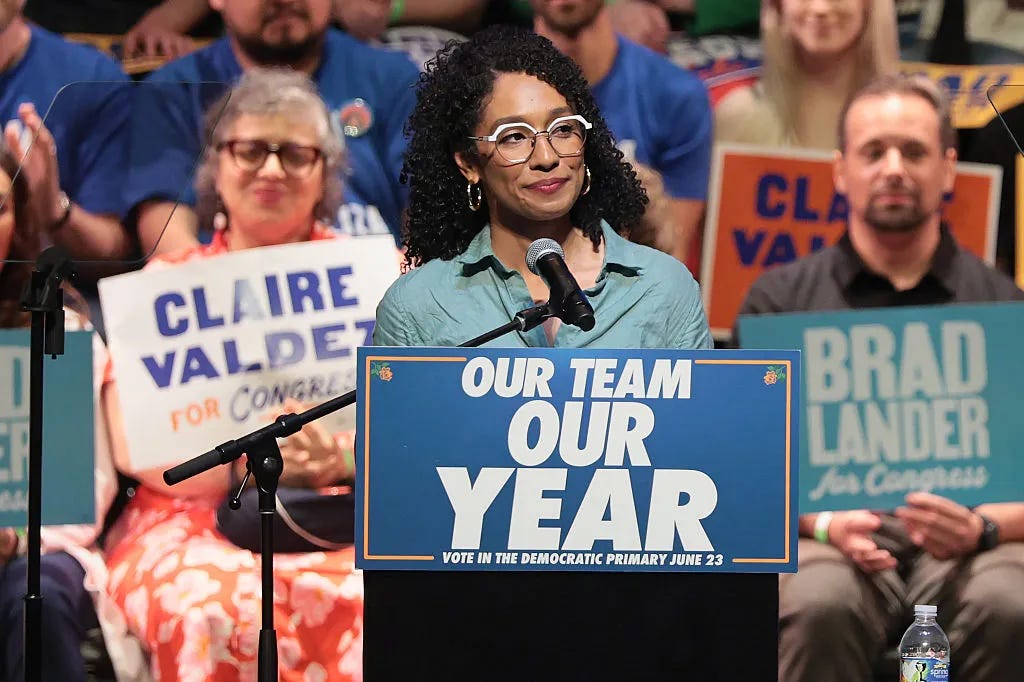
Mamdani and the Democratic Socialists of America have emerged as the strongest organized faction within the Democratic Party as it heads toward 2028.
“The mayor’s endorsements broke with—and even double-crossed—party leaders who supported his rapid rise in last year’s mayoral race. His move opened a significant rift with Hispanic leaders, organized labor, pro-Israel Democrats, and veteran incumbents that ordinarily form an essential part of any Democrat’s electoral coalition,” MI’s John Ketcham and Christian Browne write in City Journal.
The Foreign-Policy Problem with New York’s Socialist Rise
The growing visibility of democratic socialist ideas in American politics raises important questions about the future direction of U.S. foreign policy.
Read the full piece in The Bigger Apple.
Who Speaks for Dominican New York?
Reflecting on the NY-13 primary, MI’s Rafael Mangual offers a thoughtful take on the growing divide between an immigrant community and its activist heirs in City Journal.
‘“[T]his contest is about more than Mamdani’s influence in such races. It was a primary fought in Upper Manhattan and the West Bronx, the largest center of Dominican political life in the United States, between two candidates of Dominican origin,” Mangual writes. “The more revealing question is not about how Mamdani’s backing affected the outcome, but what Avila Chevalier’s victory tells us about the changing politics of race, ethnicity, and class within that community.”
Read the full piece in City Journal.
Extra! Extra!
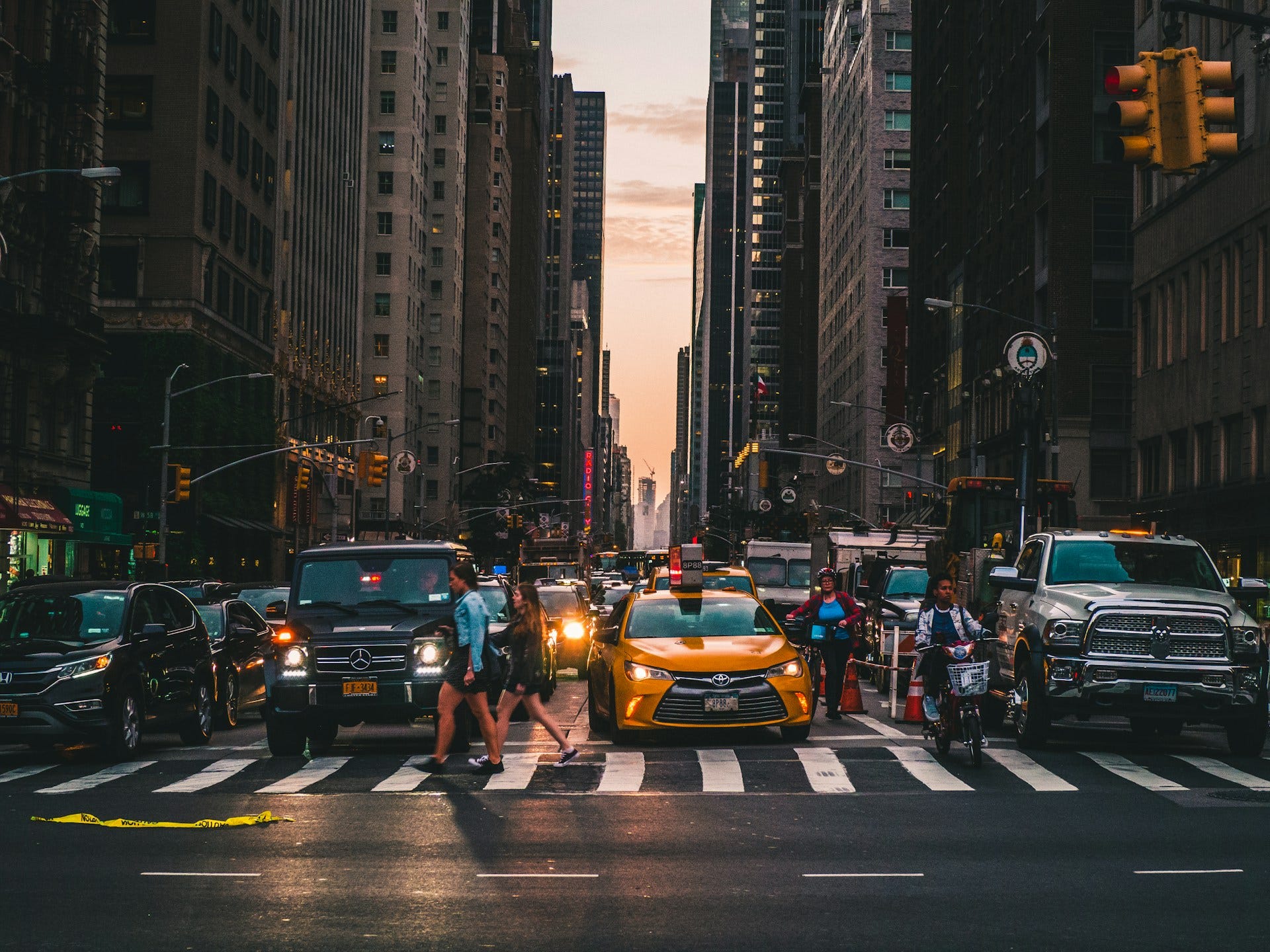
The Deadly Rise of Giant Trucks and SUVs. A New York Times analysis links larger vehicle sizes to rising pedestrian deaths, estimating 200 to 400 fatalities annually could have been avoided if vehicles had not grown over the past 25 years. Taller hoods and expanded blind spots make pedestrians harder to see and more likely to suffer severe injuries, with visibility worsening substantially since the early 2000s. (The New York Times, gift link)
The United Auto Workers, which primarily represents academics and workers in the arts in New York, won big by supporting long-shot candidates in an otherwise disappointing night for labor. (The City Reporter)
Voter turnout was lower, but young voters and high turnouts in some districts boosted insurgent candidates. (Gothamist)
Mamdani allies protest his NYPD policies. Several elected officials and dozens of political and advocacy organizations, including NYC DSA, protested on Thursday Mamdani’s decision to expand the NYPD’s headcount by 580 officers, as well as an ongoing police crackdown on quality-of-life offenses, in a major public split between Mamdani and some of his core supporters. (Gothamist)