

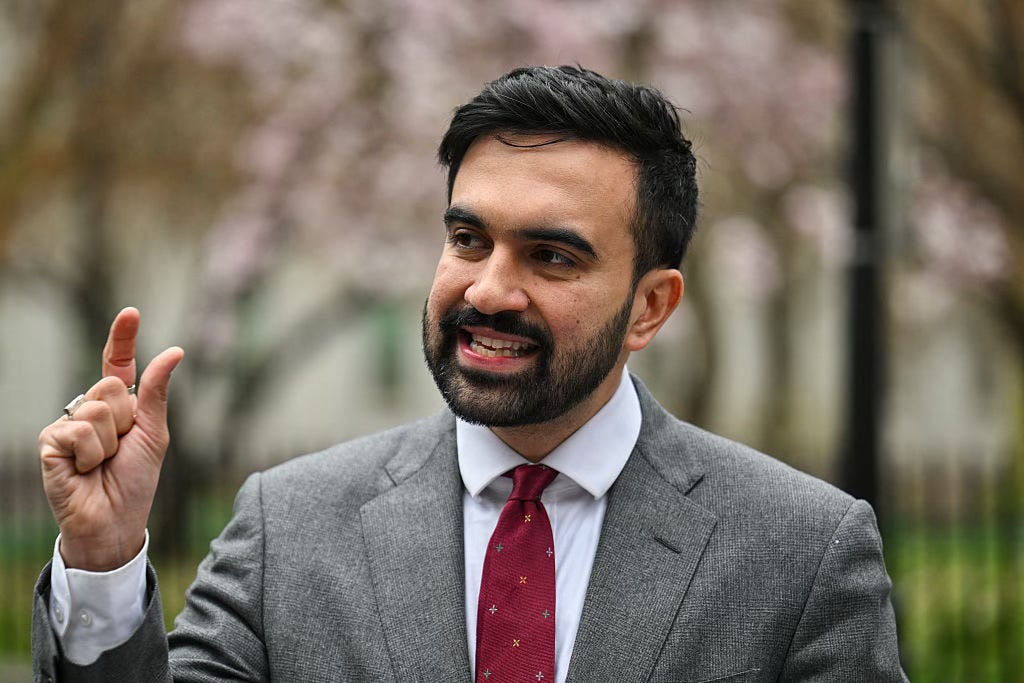
Mayor-elect Mamdani, who seems at times to be operating under a lucky star, has started to see some political resistance.
First, news came out that his attempts to thwart moderate council member Julie Menin from likely becoming the next speaker fell short. Then, his newly appointed Director of Appointments resigned just a day after being appointed due to past anti-Semitic tweets.
Then Mayor Adams appointed two new members and reappointed two members of the Rent Guidelines Board, the body that approves rent increases for the city’s million rent-stabilized apartments, potentially thwarting Mamdani’s attempts at freezing rents, a major campaign promise. Of the nine member board, five are now Adams appointees.
And finally, last night, the outgoing City Council approved a slew of bills that included a housing package he had advocated against that will likely make his agenda to build more affordable housing harder and more expensive by increasing the cost and complexity of new construction. (There were also many pro-labor bills, including one that authorized tens of thousands of new street-vending licenses, something Mamdani supports as part of a promise to “make halal eight bucks again.”)
All in all, not a promising start to a new administration.
Transition
The pace of Mamdani’s appointments has been slow. This week, he named former de Blasio aide Cat Da Costa as head of the Mayor’s Office of Appointments and union leader Jahmila Edwards as his chief of intergovernmental affairs. He also appointed budget veteran Sherif Soliman as the Director of the Office of Management and Budget.
Da Costa has since resigned due to past anti-Semitic tweets.
Jahmila Edwards: Her decade as Associate Director for District Council 37, where she helped secure the controversial $15 minimum wage, signals Mayor-elect Mamdani’s intent to bring a pro-union agenda into his senior ranks.
Sherif Soliman: With nearly 30 years of public service across three Mayoral administrations, Soliman most recently served as Senior Vice Chancellor and Chief Financial Officer at CUNY, where he helped stabilize finances and reduce the structural deficit by 77%. As OMB Director, he is tasked with funding the administration’s ambitious affordability agenda.
So far, the only other appointments have been of Dean Fuleihan as first deputy mayor, Elle Bisgaard-Church as chief of staff, and the reappointment of Jessica Tisch as police commissioner.
MI Issue Brief: Remaking NYC’s Rent Guidelines Board Would Be Hard
Regardless of rhetoric about using power more aggressively to deliver on a campaign promise to “freeze the rent”, the new mayor has little legal ability to quickly remake New York City’s Rent Guidelines Board.
Board members serve fixed terms and can only be removed “for cause,” a standard courts have interpreted strictly, meaning policy disagreement does not qualify. Past efforts to challenge member qualifications have failed and usually require action by the state attorney general, not the mayor. Changing the law would likely empower the City Council rather than the executive.
The system is designed to slow political turnover, so the most realistic path to a different RGB majority is simply waiting out term expirations. Jarrett Dieterle explores the possibilities.
Curb Enthusiasm
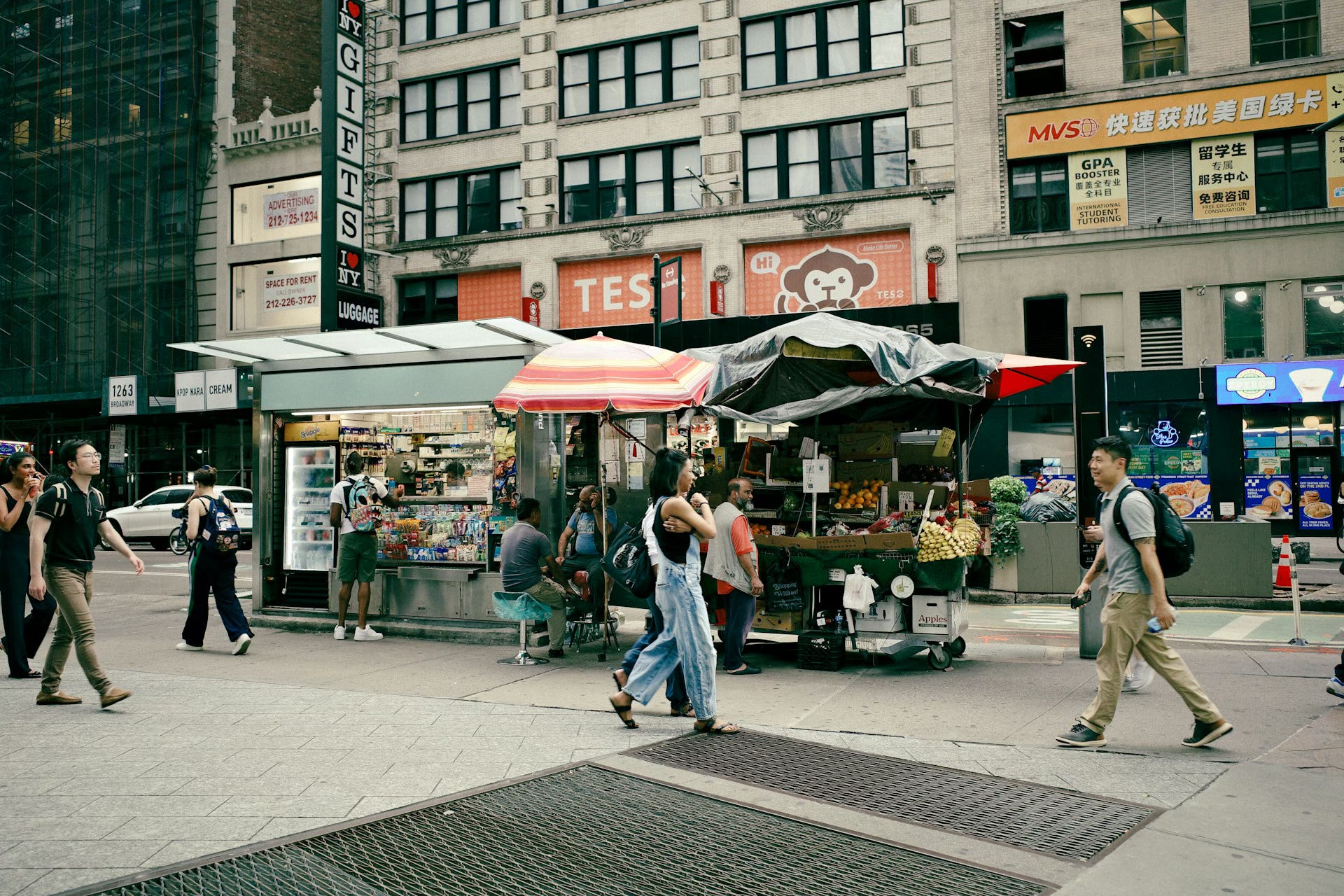
Mayor Mamdani will need quick wins, and improving the conditions on the city’s streets would be a good one, I argued this week. He should make buses fast (but not free), and would do well not to villainize drivers (half the city’s households own a car), remember we are all pedestrians, and keep bikes in bike lanes.
He could also enforce parking and moving violations. Keeping sidewalks free of scooters and bikes, and bus, bike, and driving lanes clear of parked cars, would do much to help calm New York’s streets and nerves.
When it comes to the curb, however, allowing more street vending and permitting more uses like dining spaces, bike storage, charging stations, and sanitation containers and more, in addition to parking and deliveries—will come at a cost. Every foot of public space is a trade-off that must be consciously made, considering not just political but also financial implications of new and existing uses. Read more.
In the news this week:
E-Bikes and Enforcement: While regulating super-fast, illegal e-bikes by enforcing a sales ban remains practically difficult, more common-sense solutions are politically complicated.
Why Are 50,000 New York City Apartments Vacant?
“In New York City, making a profit on real estate has become increasingly difficult. Rent-stabilization laws built on the mantra that “housing is a human right,” a dysfunctional housing court, and myriad other interventions have driven thousands of units off the market, giving rise to the phenomenon of New York’s “ghost apartments.”” writes MI’s Adam Lehody.
“The city now has nearly 50,000 empty units, absent from the market either because their operating costs exceed legal rents or because they require considerable renovations. Recently, I visited four of these ghost apartments. Together, they reveal the city’s fundamentally broken housing market and what needs to be done to fix it.” Read full story.
Extra! Extra!
Even dead tenants are hard to evict (The Real Deal)
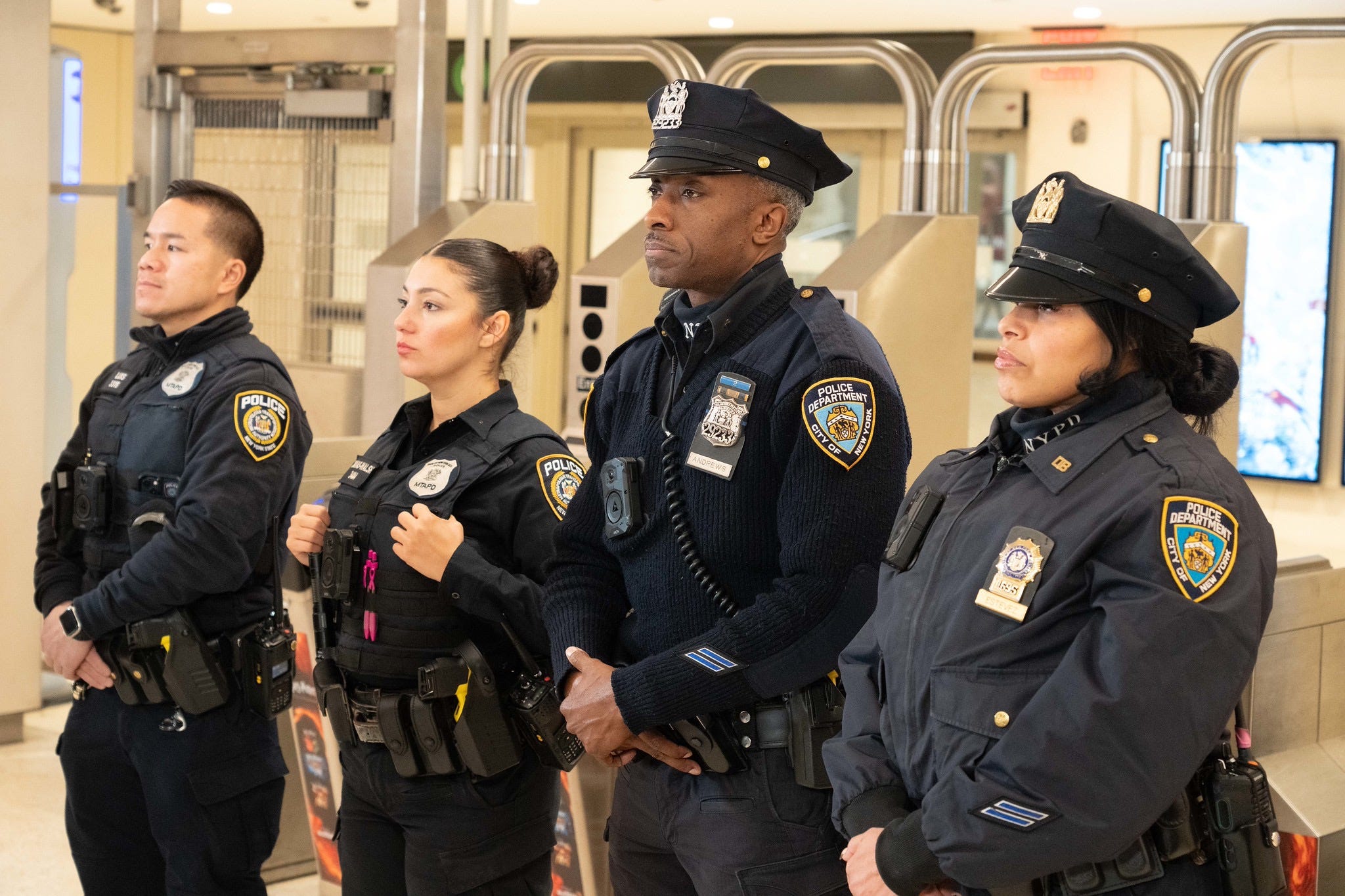
Enforcement works: Governor Hochul announced that the New York City Subway is on track for its safest year in a generation, and extended financing for the 600 extra cops in the system. The MTA will continue installing spikes and paddles in nearly every station (do they really work?) to combat fare evasion, and new gates are to be installed at 20 of the busiest stations by 2026.
Lost in the City: Comptroller finds that New York City failed to collect $43 million in penalties from school bus companies for bus drivers’ failure to comply with GPS tracking requirements.
Underground Business: Subways are for commuting, as the poor performance of Manhattan’s TurnStyle Mall at Columbus Circle shows.
Urban Planning: How Strip Malls Replaced Midtowns.
Hotel Conversion: Former JFK Hilton Hotel in Queens has been turned into 318 Affordable Apartments.
Public Space
A recent episode of DOT’s podcast Curb Enthusiasm features esteemed sociologist, NYU professor, and award-winning author Eric Klinenberg discussing what social infrastructure is and why it is important in cities.
What was the housing package? (article is paywalled)