

New York keeps promising more as it explains less. Why do we have 20,000 empty childcare seats? Why are NYCHA rent collections so low? Why is one third of Hispanic 7th graders at Level 1 in English? It is really hard to tell.
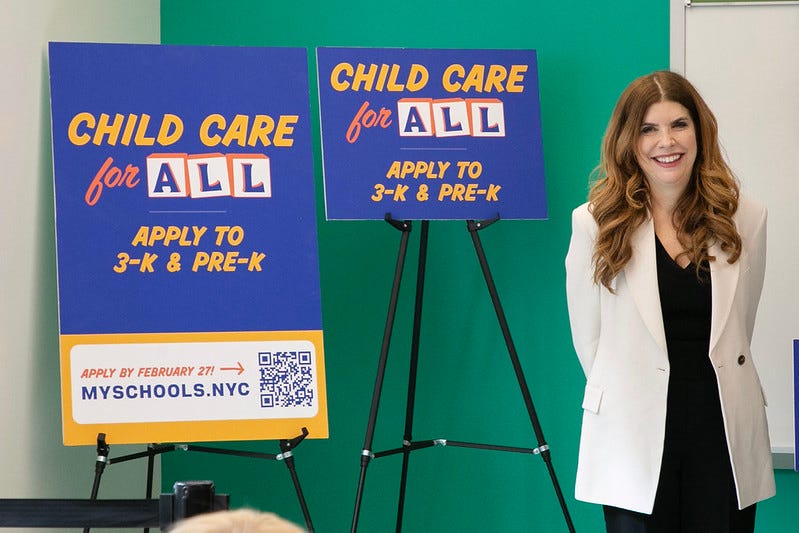
This week, City Council Speaker Julie Menin said she supports Mayor Zohran Mamdani’s push to raise taxes to pay for childcare.
“A tax increase that goes to child care, I think would be something that would be beneficial for the city because it will help to attract more workers here,” Menin said at a POLITICO event on Wednesday, calling for progressive taxation.
But before committing to further childcare expansion, the city should fix the existing, already poorly performing programs.
Mayor Mamdani talks a good talk about public sector “excellence,” but making it easier to enroll in poorly-managed programs is not enough. The city could begin by fixing other problems: The fact that 20,000 seats remain empty while families elsewhere struggle to find the kind of care the city is already paying for, and New York’s struggles to pay providers.
The demand for vouchers offers another reason to examine what families actually need before expanding the city’s contracted programs. More than a hundred thousand children receive vouchers, with another 20,000 on the waitlist. From a recent survey, we know that not all parents would choose the kind of care the city offers through its universal program. Expansion should respond to those preferences.
Then there is the cost.
It is easy to understand why the relentless calls from advocates to raise taxes — the bill for a universal, year-round, full-day program serving all children under 5 may equal the historic budget gap Mamdani was lamenting earlier this year. The State Comptroller estimates it could add anywhere from $2.7 billion to more than $8 billion a year to already existing program costs that exceed $3 billion, before accounting for services to kids with special needs. The New School puts the number at about $9 billion a year.
Where the actual number lands would depend on how many seats the city decides to contract for, for how many hours and at what rates. The city’s push for pay parity will also affect the bill. Those choices should be explicit before officials commit to an entitlement whose scope and recurring costs remain uncertain.
Governor Kathy Hochul has committed no funding beyond next year’s phase two of 2-K. Mamdani has proposed higher taxes, but neither has explained how future years would be funded should Hochul refuse to raise income or corporate taxes.
It would be irresponsible to extend an entitlement that will be almost impossible to reverse, regardless of how popular the move may be, without the city specifying what care it will provide, demonstrating that it can administer that care responsibly, and explaining how the ongoing cost will be paid.
NYCHA Owes New Yorkers an Explanation for Its Unpaid Rent
Why are so many of NYCHA tenants behind on rent? Real Deal’s Erik Engquist blames NYCHA’s rent collection problems on pandemic-era leniency and, maybe even, Zohran Mamdani’s election.
NYCHA’s own numbers are difficult to decipher.
NYCHA collected about 95% of the rent it was due until 2017. By 2019 it was near 90%, and the share of households owing rent had risen from 28% to 35%. Unpaid rent fluctuated around $60 million through 2016, reached $111 million by 2019 and $456 million by the end of 2024, according to its audited financial statements. As of June 2026, 46% of households, about 62,000, owe rent. The average rent at NYCHA is around $650 a month, and generally set at 30% of a household’s income.
NYCHA continues to blame the pandemic and reductions in rental aid. But the decline began earlier, before the pandemic and before the right to counsel took effect, and while NYCHA was still filing tens of thousands of nonpayment cases a year, though it reported carrying out 561 evictions in 2018.
The agency’s numbers don’t make answers easier. NYCHA quietly redescribed its collection measure in 2022 without saying whether the calculation itself changed or restating earlier years. The latest Mayor’s Management report puts collection of current rent, excluding old arrears and rental aid, at 84% over the past 12 months but offers no comparison numbers.
Half a billion dollars in unpaid rent is money not spent on repairs. Tenants who pay deserve to know why.
Issue Brief: Recovery Housing As a Solution to Homelessness
“Housing First” has been the dominant federal approach to homelessness for more than a decade. Transitional housing, which requires sobriety and services, went from about a third of Continuum of Care funding in the late 2000s to 1% in 2024. More than 80% now goes to permanent housing. Meanwhile, homelessness is at historical highs.
A new report from my MI colleague Stephen Eide argues that recovery housing—shared, sober residences—could help fill the gap.
Hispanic Students Are Not OK
It’s Hispanic Heritage Month, and Schools Chancellor Kamar Samuels is eager to celebrate. “Over 40% of our students identify as Latino, and our schools must be places where they can see their stories reflected in the classroom,” he wrote on X.
However, there is little to celebrate when it comes to the kind of education city’s Hispanic students are getting.
I’ve been looking into the cohort of students who will graduate 8th grade this school year, and the share of Hispanic kids who are not proficient in English has barely budged over the time they have spent in school. (This data does not include charter schools). Time spent in school is another problem — 40% of Hispanic students are chronically absent, missing 10% or more of the school year.
Who’s Accountable For the State’s Schools?
When Mayor Mamdani got grilled on Brian Lehrer about Nikole Hannah-Jones’s essay on her daughter’s school, he was the one ultimately responsible for its poor performance. Under mayoral control, he appoints the chancellor and a majority of the Panel for Educational Policy.
About a quarter of the state’s spending is education, yet the governor has no say in who runs it: the legislature picks the Regents, who then pick the commissioner. Daniel Weisberg, a former NYC first deputy chancellor, argues in Vital City that the governor should have oversight of the Board of Regents.
Extra! Extra!

What Is a School For?
“Chabad’s schools show us that when we trust parents and protect religious freedom, a religiously traditional educational system can produce what its community needs in the modern age – resilient, family-oriented adults who spend their lives serving others and strengthening their community,” MI’s Ray Domanico argues in the Bigger Apple.
How Superstar Cities Tax Away Top Talent
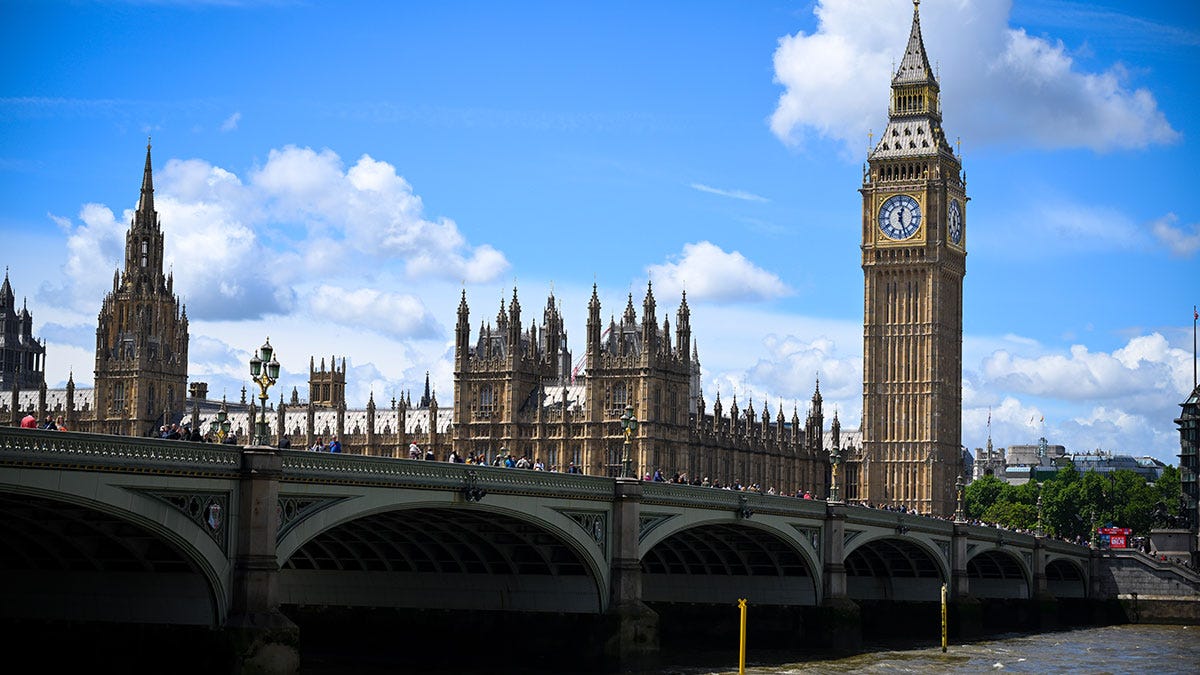
“London’s exodus of billionaire wealth offers a warning to major U.S. cities: economic advantage won’t offset high taxes forever,” MI’s Sean Speer reports.
Are Unions Rising from the Political Grave?
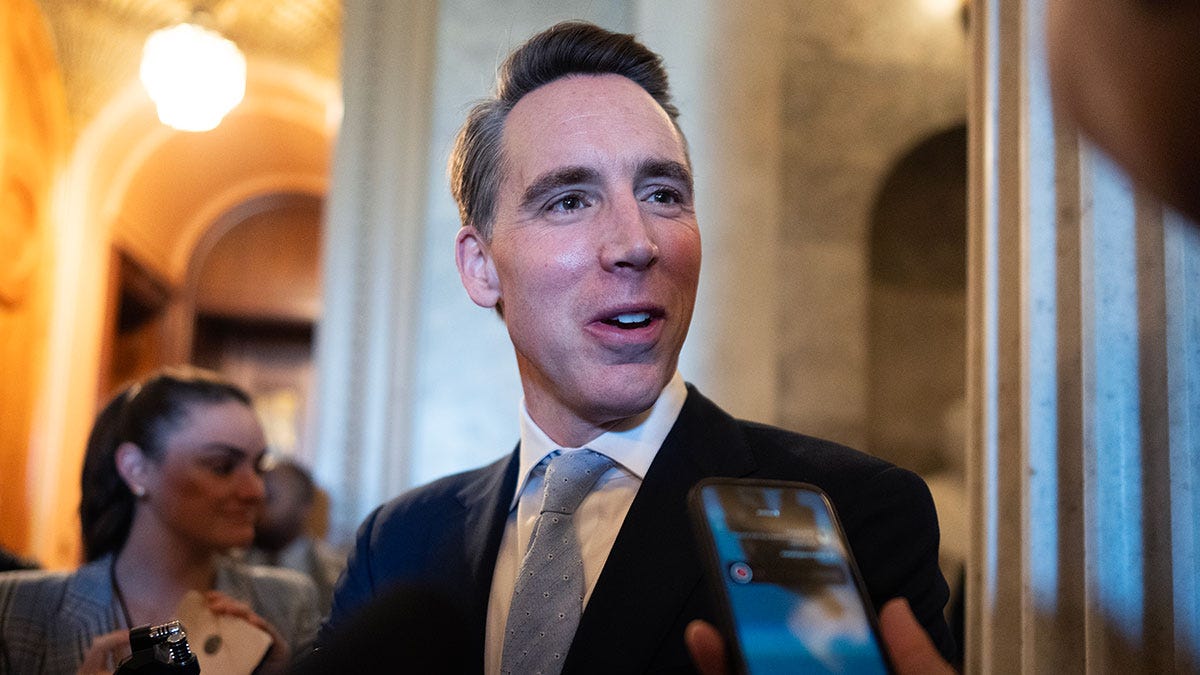
“Though its influence has greatly declined, organized labor is attracting new allies on the Left and the Right,” MI’s Jarrett Dieterle writes.
Kathy Hochul Chooses Kids Over the Teachers’ Union
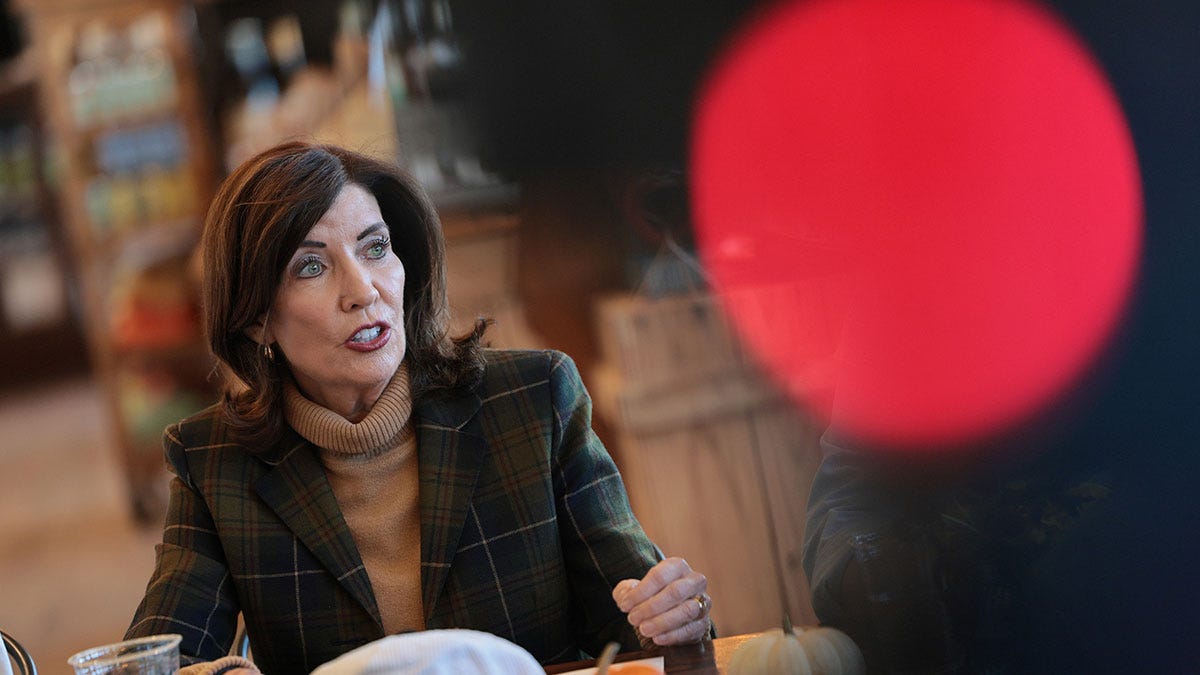
By opting New York into the federal scholarship tax credit, the governor is putting kids first, and other blue states should follow suit, writes MI’s Danyela Souza Egorov.
“Unfortunately, not all state officials showed Hochul’s resolve. Some lawmakers, including Senate Majority Leader Andrea Stewart-Cousins and Assembly Speaker Carl Heastie, joined the New York State United Teachers in calling on Hochul not to opt-in,” she observes. “It’s disturbing that so many elected officials are afraid of New York families gaining control of less than 2.5 percent of the state education budget—and even more alarming that they would side with the teachers’ union, thereby letting FSTC dollars flow to other states’ children. It suggests they care more about good relations with the teachers’ union than about New York families and students.”
Mamdani’s $131.5 Million DoorDash Settlement Is Smaller Than It Looks
“The mayor characterized it as a victory against corporate greed. Meanwhile, 65% of affected drivers were underpaid by $1 or less, and the average underpayment was $7.70,” MI’s Jarrett Dieterle explains in Reason.
NYC spending on homelessness has more than tripled since 2019, as the number of street homeless reached 5,000, up from 3,600 over the same period. “Homeless advocates, business groups and elected leaders say the problem is that the Mamdani administration needs to streamline what’s become an inefficient and largely uncoordinated street outreach system — and one that lacks clear accountability,” Gothamist reports.
Mamdani Backs Bill to Let Consumers Sue Over Unfair Business Practices. “The proposed New York City legislation would also allow nonprofits, including tenants’ unions, to sue companies directly rather than relying on agency enforcement,” the New York Times reports.
City Journal’s College Rankings are out.
NY Gov. Kathy Hochul and Bruce Blakeman spar over immigration, cost of living in the only gubernatorial candidate debate, Gothamist reports, and offer opposing visions for jobs.
How a Dancer Lives on $13,500 in East Harlem, the New York Times reports.
You mean, “Why are 1/3 of 7th graders…”. Seems like you answered your own question.