


There are many things to be thankful for this year in New York—the Knicks, a joyful and safe summer, a booming Wall Street, more housing coming online. And the fact that our socialist Mayor Zohran Mamdani has been slow to make radical changes during his first year.
Public safety: Mamdani kept Police Commissioner Jessica Tisch and seems to have left her strategy alone. Public safety is fundamental to a well-functioning city, and through October, the city recorded 230 murders and 536 shootings, the fewest in its recorded history for that stretch of the year. Across other categories of major crimes, except assaults, there has also been a decline compared to last year. For that, New Yorkers should be grateful.
That didn’t happen by itself. Tisch credits “removing guns from our streets, and going after the gangs”: 26 gang takedowns and more than 4,500 illegal guns seized this year. A study cited in a new MI report by Robert VerBruggen on Short- and Long-Term Explanations for the New Homicide Decline found that the takedowns cut gun violence in and around affected public-housing communities by a third. And while he did just disband the NYPD’s Strategic Response Unit, “the move, fulfilling a campaign promise, appears to be more window dressing than substance,” writes MI’s Rafael Mangual.
New homes: The city issued permits for 14,714 new homes in the first half of the year, "a strong pace for the city by recent historical standards," MI's Eric Kober noted in August. However, under Albany's new tax break, 485-x, many developers are stopping at 99 apartments, just under the size that triggers its wage rules, the Real Estate Board of New York reports. The fast track for affordable housing projects in 12 neighborhoods starts in January, but faster permitting is only one part of the solution to building a lot more housing. “A sustained shift toward smaller-scale development could make it increasingly difficult for New York City to meet long-term housing goals and keep pace with demand,” REBNY reports. (We’ll have more on housing next week.)
A booming Wall Street: Securities firms earned $45.9 billion from January through June, up 51% from the same months of 2025 and already more than the city had expected them to earn all year, State Comptroller Thomas DiNapoli reported, crediting AI, mergers and heavy trading. Wall Street generated a record $7.8 billion in city taxes in the fiscal year that ended June 30, about one of every 11 tax dollars the city collected. The city's November budget update added almost a billion dollars in tax revenue, crediting strong performance on Wall Street.
What we’re watching
You reap what you sow, and we are keeping an eye on the mayor’s decisions that may become problems for the Mamdani administration and the city going forward.
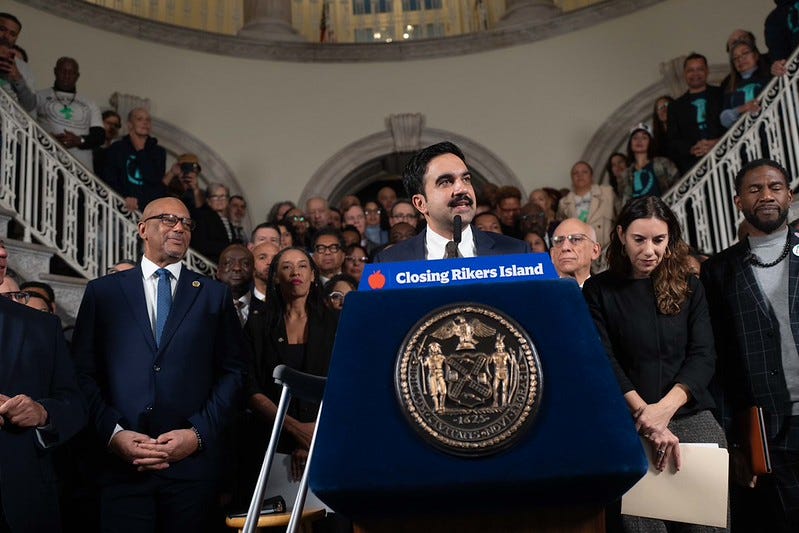
Rikers: Mamdani’s plan would push the full closing date back to 2032, if the Council agrees, and depends on jailing nearly 40% fewer people through a mix of faster case processing, diversion, releasing people sooner after they’re jailed, and reducing recidivism.
MI’s Charles Fain Lehman’s 2022 report on the original plan this one builds on found that the bed target “had more to do with politics than with any reasonable projection,” and the city “must reckon seriously with where they will put criminals” afterward, as the new local jails will not be enough. Meanwhile, according to NYPD complaint data, the city recorded 43% more felony assaults in the first nine months of this year than in the same months of 2019, and 21% more major crimes overall. In the subway, felony assaults nearly doubled.
The rent freeze: The Rent Guidelines Board that Mamdani largely appointed froze rents on about a million stabilized apartments while its own staff found that operating costs for those buildings rose 5.3%, with insurance up 10.5%. When costs rise and rents can’t, something gives, either the repairs or the next tenant’s rent.
2-K: The city’s first 2,000 free seats for 2-year-olds opened this fall, with a promise of universal 2-K within four years. But Mamdani is struggling to deliver the programs the city already has: this summer, payment delays left some childcare providers struggling to stay open, and some are still waiting on contracts, which, they say, do not cover the cost of providing care. The full cost of universal child care remains elusive, with estimates ranging from $6-12 billion, and it is unclear if the state will continue to fully shoulder the cost of 2-K past the first two years.
The budget: The November plan still shows a $6.2 billion gap in fiscal year 2028, growing to almost $9 billion by 2030, and the later gaps have grown since June. And the contract with DC 37, the city’s largest municipal union, just expired. Given Mamdani’s pro-union stance and expensive campaign promises, like $30 wages, it is unclear how tough the negotiations will be, especially if the preferred solution to a lack of resources is to put more pressure on the governor to raise taxes.
MI Work This Week
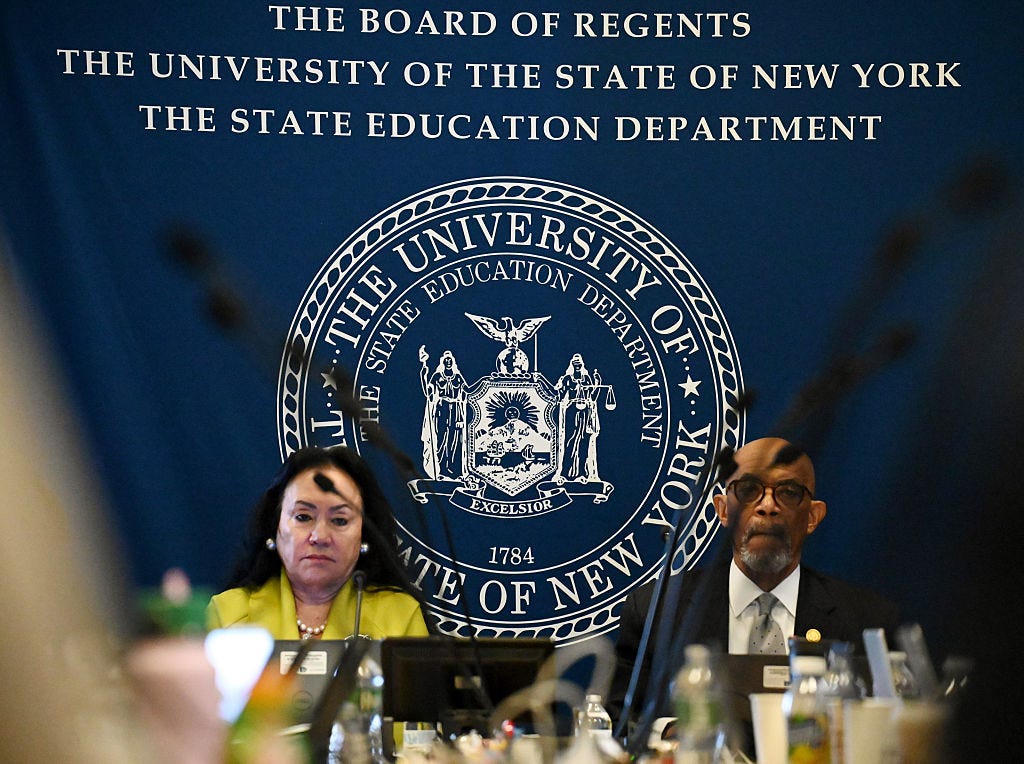
Sen. John Liu wants the Board of Regents, not the governor, to decide each year whether New York takes part in the new federal scholarship tax credit. MI’s Jennifer Weber argues Albany should say no. (The Bigger Apple)
Mamdani’s 5-year Rikers pause solves a legal headache — and sets up a worse one
The mayor will ask the Council to move the Rikers deadline from 2027 to 2032. MI adjunct fellow Christian Browne argues that the delay solves one legal problem but not the bigger one: state law requires local jails to hold whomever judges order detained, and the new jails will be too small. (New York Post)
New York’s Problem Is Not Too Much Capitalism, But Too Little
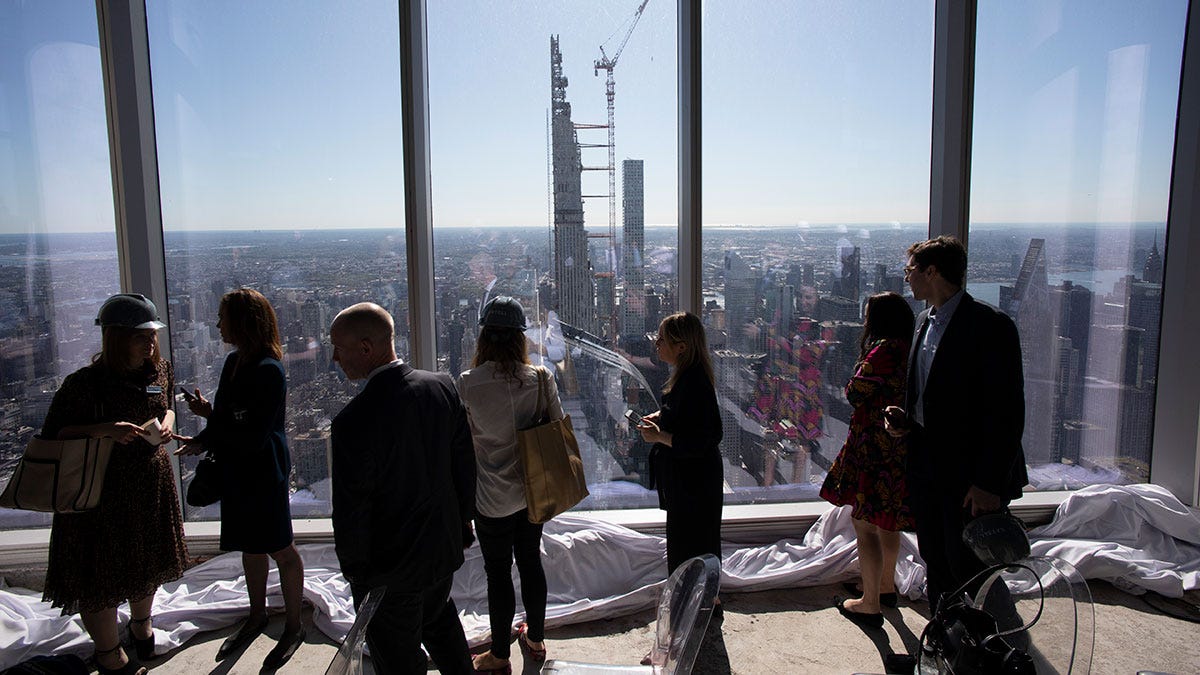
Only 42% of the city’s land is privately owned and subject to market forces, MI’s Adam Lehodey finds in city land-use data, and 38% of its housing units are rent-stabilized, subsidized or public. A city-owned grocery that pays no rent and proposals for commercial rent stabilization would keep even more land from its best use, he argues. (City Journal)
This New York Bill Is a Backdoor Effort to Unionize Amazon
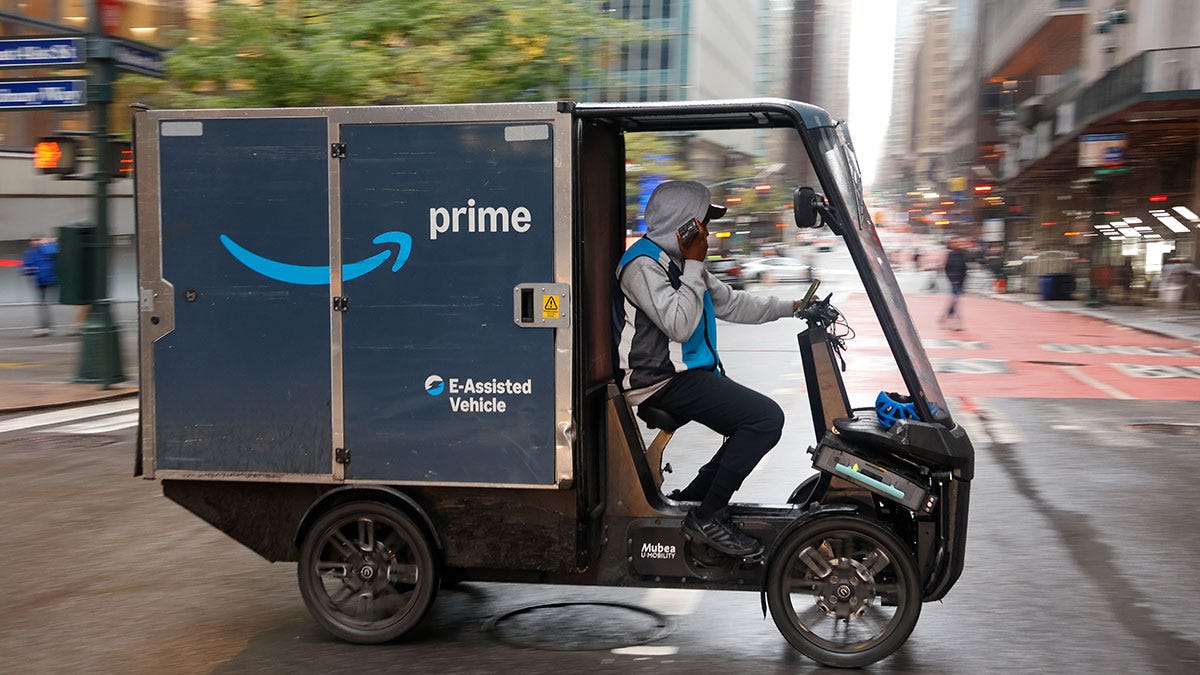
The Council’s Delivery Protection Act would ban Amazon’s subcontracting of last-mile delivery. MI’s Josh Appel argues that it’s a backdoor effort to unionize Amazon that would raise prices and cost jobs without making delivery work safer. He and Lehodey make the case in the New York Post, too. (City Journal, New York Post)
Mamdani Just Declared Himself as Another Grubby, Grasping Pol
The Council passed the horse-carriage ban with a veto-proof majority, so the mayor didn’t need a ceremony to sign it. MI’s Nicole Gelinas argues that signing it, in City Hall’s Blue Room no less, was the “biggest political misstep” of his nearly one year in office. (New York Post)
Extra! Extra!
As Thanksgiving Approaches, Will Hochul Replace Stolen SNAP Benefits? (The City Reporter)
NYC’s New Casino Already Owes the State $80 Million. (NY Focus)
MTA Seeks ‘Millions and Millions’ Over Bungled OMNY Rollout. (The City Reporter)
New York’s highest court upholds key protection for low-income renters with Section 8. (Gothamist)
Will we see the return of the veto override in the Legislature in 2027? History suggests it’s unlikely. (City & State)
Fare hikes on yellow taxi cabs could keep drivers out of poverty, city report finds. (Gothamist)
Exploitation or Opportunity? The Fight Over Amazon’s New York Drivers. (The City Reporter)
NYC, State Sue To Block Trump Rule on Public Housing Families With Undocumented Members. (The City Reporter)
Mamdani Won’t Guarantee More Citi Bike Service As Lyft Commits to Fare Cap. (Streetsblog)
I will be thankful when he is no longer mayor of NYC.